
File Guide: A Comprehensive Overview
This guide explores file management, security, and handling across diverse applications. It delves into Python frameworks like Flask and Django, alongside Unity and Java best practices.

Effective file management is crucial in today’s digital landscape. It’s the systematic organization of data, ensuring efficient retrieval and security. This involves understanding file types, naming conventions, and hierarchical structures. Proper management prevents data loss, streamlines workflows, and enhances collaboration.
From simple document organization to complex software development, mastering file handling is essential. This guide will explore various aspects, including securing file uploads within frameworks like Flask and Django, and adhering to best practices for user-defined attribute names. We’ll also cover establishing clear file naming conventions for digital collections, aiming for concise and descriptive names, avoiding special characters.
Furthermore, we’ll examine how file systems operate, and how to leverage technologies like SFTP for importing courses, as well as best practices for programming code with Java, focusing on robust file handling techniques.

What is a File? Basic Concepts
At its core, a file is a self-contained piece of information stored on a computer. This information can range from simple text documents to complex multimedia content, or even executable programs. Files are identified by their names and extensions, providing clues about their content and how they should be processed.
Understanding file types is fundamental; Common categories include documents (like .docx or .pdf), images (.jpg, .png), audio (.mp3, .wav), and video (.mp4, .avi). Each type has a specific format dictating how the data is structured and interpreted by software.
File extensions are crucial indicators of a file’s type. They signal to the operating system which application should be used to open the file. Recognizing these extensions and their significance is key to effective file management and ensuring compatibility.
File Types and Extensions: A Detailed Look
Files are categorized based on their content and how it’s organized. Documents, like .docx or .pdf, store textual information, often with formatting. Images (.jpg, .png, .gif) represent visual data, differing in compression and color depth. Audio files (.mp3, .wav) contain sound recordings, varying in quality and size.
Video files (.mp4, .avi, .mov) combine visual and audio data, requiring significant storage space. Understanding these distinctions is vital for choosing the appropriate file type for a specific purpose.
File extensions – the suffixes like .txt, .jpg, or .exe – are critical. They tell the operating system which program to use to open a file. Acceptable types can be specified, restricting uploads to certain extensions for security. Unique attribute names are also important for file identification.
Common File Types (Documents, Images, Audio, Video)
Document files, such as .docx, .pdf, and .txt, are fundamental for storing and sharing textual information. They range from simple text files to complex, formatted reports. Image files, including .jpg, .png, and .gif, capture visual data, differing in compression techniques and suitability for various applications – photographs versus graphics.
Audio files, like .mp3 and .wav, represent sound recordings, varying in quality and file size. Video files (.mp4, .avi, .mov) combine audio and visual elements, demanding substantial storage capacity. Choosing the correct format depends on the intended use, balancing quality, size, and compatibility.
These common types form the backbone of digital content creation and consumption, each serving a distinct purpose in modern computing.
Understanding File Extensions and Their Significance
File extensions, the suffixes following a filename (e.g., .txt, .jpg), are crucial indicators of a file’s format and the application needed to open it. They aren’t inherent to the file’s content but are a convention used by operating systems to identify file types.
The significance lies in enabling the correct program association. Without the extension, the system wouldn’t know whether to open a file with a text editor, image viewer, or another application. Acceptable file types can be specified, like using the accept attribute with comma-separated lists of extensions or MIME types.
While extensions can sometimes be changed, doing so doesn’t alter the file’s actual format and can render it unreadable or cause errors. They are vital for proper file handling and system functionality.

File Organization and Structure
Effective file organization utilizes hierarchical systems and well-defined folder structures. Consistent naming conventions, avoiding special characters, are key for efficient file retrieval.
Hierarchical File Systems: Principles and Benefits
Hierarchical file systems represent a cornerstone of modern data organization, mirroring natural categorization methods. This structure, resembling an inverted tree, organizes files and directories (folders) in a parent-child relationship, enabling efficient navigation and management of vast amounts of data. The root directory serves as the starting point, branching out into subdirectories, and further nested levels, creating a clear and logical pathway to locate specific files.

The primary benefit lies in improved organization and searchability. Instead of a flat, chaotic list of files, users can quickly pinpoint desired content by traversing the directory structure. This approach significantly reduces search times and enhances overall productivity. Furthermore, hierarchical systems facilitate access control, allowing administrators to assign permissions at different levels, ensuring data security and integrity. They also support scalability, easily accommodating growing data volumes without compromising performance; This method is fundamental for maintaining order within complex digital environments.
File Naming Conventions: Best Practices
Establishing clear file naming conventions is crucial for efficient file management and collaboration. Consistent naming ensures easy identification, retrieval, and understanding of file content, minimizing confusion and wasted time. Best practices emphasize conciseness and descriptiveness; file names should accurately reflect the file’s content without being overly lengthy. Aim for clarity and avoid ambiguity.
Crucially, avoid using special characters – such as spaces, slashes, colons, asterisks, or question marks – as these can cause compatibility issues across different operating systems and applications. Opt for underscores (_) or hyphens (-) to separate words. Digital collection guidelines often recommend limiting file names to eight characters or fewer for broader compatibility. Maintaining a standardized format, including dates (YYYYMMDD) or version numbers, further enhances organization and traceability. Adhering to these conventions promotes a streamlined and manageable file system.
Keeping File Names Concise and Descriptive
The art of effective file naming lies in striking a balance between conciseness and descriptiveness. While lengthy names can be cumbersome, overly brief names lack crucial context, hindering quick identification. Aim for clarity – the filename should immediately convey the file’s content or purpose to anyone viewing it. Prioritize keywords that accurately represent the information within.
Avoid generic terms like “Document1” or “Image001”. Instead, use specific details, such as “ProjectReport_20260227” or “ClientLogo_FinalVersion”. Consider incorporating dates (YYYYMMDD) or version numbers to track revisions. Remember, a well-crafted filename serves as a mini-description, reducing the need to open the file to understand its contents. This practice significantly improves searchability and overall file organization, saving valuable time and effort in the long run.
Avoiding Special Characters in File Names
Maintaining compatibility across operating systems and applications necessitates avoiding special characters in file names. Characters like /, , :, *, ?, “, <, >, and | often have reserved meanings within file systems, potentially causing errors or unexpected behavior when opening or processing files. Sticking to alphanumeric characters (A-Z, a-z, 0-9) and underscores (_) ensures broader compatibility.
Spaces, while seemingly harmless, can sometimes cause issues, particularly in command-line environments or web applications. Replacing spaces with underscores or hyphens (-) is a recommended practice. While some systems may tolerate certain special characters, it’s best to adopt a conservative approach for maximum portability. This proactive measure prevents potential headaches and ensures seamless file access across diverse platforms and software, streamlining workflows and minimizing technical complications.
Folder Structures: Organizing for Efficiency
Establishing a well-defined folder structure is paramount for efficient file management and retrieval. A hierarchical system, mirroring project organization or content categories, significantly reduces search time and enhances overall productivity. Consider a top-down approach, starting with broad categories and progressively refining into more specific subfolders.
Consistency is key; adopt a standardized naming convention for folders to maintain clarity. For example, using date-based folders (YYYY-MM-DD) for version control or project phases can be highly effective. Avoid deeply nested structures, as they can become cumbersome to navigate. Regularly review and refine your folder structure as projects evolve, ensuring it remains logical and intuitive. A thoughtfully designed structure minimizes clutter and facilitates collaboration, ultimately saving valuable time and resources.

File Security and Access Control
Protecting files involves securing uploads (Flask, Django), defining unique user-defined attributes, and implementing robust file permissions to control access levels effectively.
Securing File Uploads: Framework Specifics (Flask, Django)
When developing web applications, securing file uploads is paramount to prevent malicious attacks and maintain data integrity. Frameworks like Flask and Django offer specific tools and techniques to achieve this. A crucial step is validating file types; only accepting predefined, safe extensions minimizes the risk of executing harmful code disguised as legitimate files.
Regularly updating your framework and dependencies ensures you benefit from the latest security patches. Consider utilizing libraries specifically designed for secure file handling, offering features like virus scanning and content analysis. Thoroughly testing your upload functionality with various file types and sizes is also recommended to identify and address potential vulnerabilities.

User-Defined Attribute Names: Guidelines
When implementing user-defined attributes for files within a system, adhering to specific guidelines is crucial for maintaining data integrity and avoiding conflicts. A fundamental rule is ensuring uniqueness; each attribute name must be distinct across the entire system to prevent overwriting or ambiguity.
Global objects, like those used in certain applications, require careful consideration. User-defined attribute names must not clash with existing global object properties or reserved keywords. Consistency is also key – adopting a standardized naming convention improves readability and maintainability. Descriptive names that clearly indicate the attribute’s purpose are highly recommended.
Avoid using special characters or spaces within attribute names, as these can cause parsing errors or compatibility issues. Utilizing a consistent case (e.g., camelCase or snake_case) further enhances clarity. Thorough documentation of all user-defined attributes is essential for collaboration and future maintenance, ensuring everyone understands their purpose and usage.
File Permissions: Controlling Access Levels
Robust file security relies heavily on meticulously controlling access levels through file permissions. These permissions dictate who can read, write, or execute a file, safeguarding sensitive data from unauthorized access. Implementing a granular permission system is paramount, allowing administrators to define specific access rights for individual users or groups.
When securing file uploads, particularly within web applications utilizing frameworks like Flask or Django, careful validation is essential. Restricting access based on user roles ensures that only authorized personnel can modify or view critical files. Regularly reviewing and updating permissions is crucial, especially as team structures and project requirements evolve.
Consider employing the principle of least privilege, granting users only the minimum necessary permissions to perform their tasks. Proper configuration of file system permissions, coupled with application-level access controls, creates a layered security approach, significantly reducing the risk of data breaches and maintaining data integrity.

File Handling in Software Development
File handling encompasses diverse techniques across Python, Unity, and Java, focusing on secure uploads, 3D format management, and efficient SFTP course importing.
Working with Files in Python
Python offers robust file handling capabilities, essential for numerous software development tasks. Secure file uploads, particularly within web frameworks like Flask and Django, demand careful validation of file types and restricting potential vulnerabilities. This involves checking file extensions and, crucially, MIME types to prevent malicious uploads.
Python’s built-in functions simplify file operations – opening, reading, writing, and closing files. Proper error handling, using try...except blocks, is vital to gracefully manage potential issues like file not found errors or permission problems. When dealing with sensitive data, secure coding practices are paramount, including avoiding hardcoded credentials and employing appropriate encryption techniques.
Furthermore, understanding file paths – absolute versus relative – is crucial for portability and correct file access. Python’s os and pathlib modules provide tools for manipulating file paths and interacting with the operating system’s file system effectively.
File Formats for 3D Applications (Unity)
Unity distinguishes between saved application files and exported 3D formats, each serving distinct purposes within a development pipeline. Saved application files, typically with a ‘.unity’ extension, encapsulate the entire scene, assets, and project settings – ideal for ongoing work and version control within the Unity editor.
Conversely, exported 3D formats, such as ‘.fbx’, ‘.obj’, or ‘.gltf’, are designed for interchange with other software packages. Choosing the appropriate export format depends on the target platform and the specific requirements of the receiving application. Considerations include polygon count, texture support, and animation capabilities.
Understanding these differences is crucial for efficient workflow. Saved files facilitate rapid iteration within Unity, while exported formats enable collaboration and deployment across diverse platforms. Careful selection ensures compatibility and optimal performance.
Saved Application Files vs. Exported 3D Formats
Unity utilizes two primary file types: saved application files (.unity) and exported 3D formats (.fbx, .obj, .gltf). Saved application files are comprehensive packages containing the entire scene, assets, and project configurations, optimized for continuous development within the Unity environment.
Exported 3D formats, however, prioritize interoperability. They are designed for transfer to other software – modeling programs, rendering engines, or game engines – and may not retain all the nuances of the original Unity scene. The choice between them hinges on the intended use case.
Saved files enable quick iteration and version control within Unity, while exported formats facilitate collaboration and deployment. Factors like polygon count, texture support, and animation fidelity influence the selection of an appropriate export format, ensuring compatibility and performance across different platforms.
Importing Courses via SFTP (Apple Courses Template)
The Apple Courses template streamlines course import using Secure File Transfer Protocol (SFTP). This method is particularly useful for bulk uploads and maintaining course synchronization with device management services. Utilizing SFTP ensures secure transmission of course materials, protecting sensitive educational content during transfer.
Courses imported via SFTP continue to synchronize automatically with your designated device management system, guaranteeing consistent updates and accessibility for learners. This automated synchronization minimizes manual intervention and reduces the risk of version control issues.
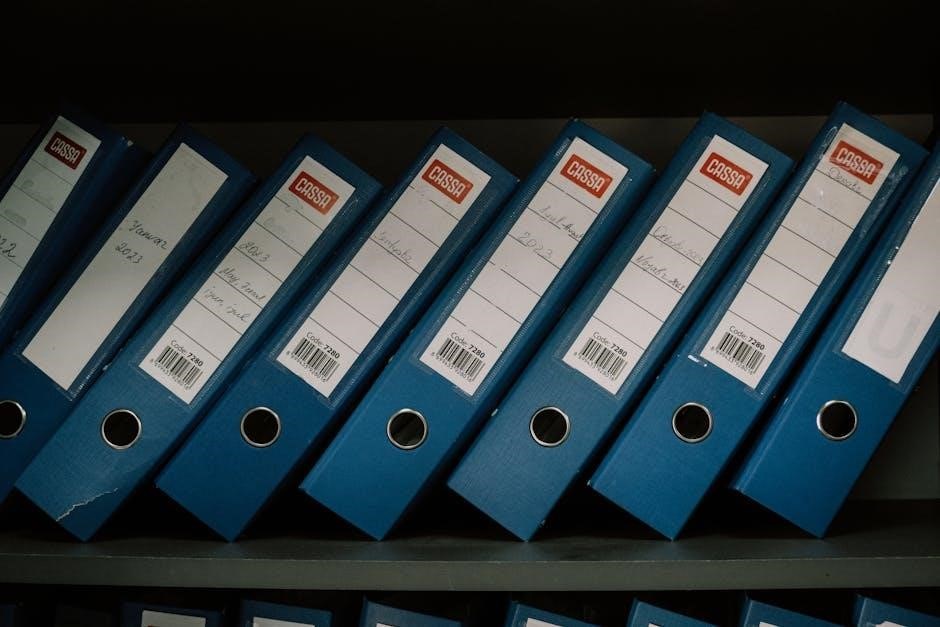
Proper preparation of course files according to the Apple Courses template specifications is crucial for a successful import. Following the template’s guidelines ensures compatibility and accurate rendering of course content within the Apple ecosystem, providing a seamless learning experience.

File Management Systems and Technologies
Various systems—alphabetical, numerical, and alphanumeric—offer distinct organizational approaches. Digital collections benefit from concise file naming, while Java leverages specific file handling techniques.
Alphabetical, Numerical, and Alphanumeric Filing Systems
Different filing systems cater to varying organizational needs. Alphabetical arrangements are intuitive for name-based searches, ideal for documents and client records. Numerical systems, employing sequential numbers, excel in maintaining order and are frequently used in inventory or case management. They require a separate index for easy retrieval.
Alphanumeric systems combine letters and numbers, offering a hybrid approach. This method allows for categorization and sub-categorization, providing flexibility and scalability. For instance, a system might use prefixes for document types followed by sequential numbers. The choice depends on the volume of files, the nature of the data, and the desired level of detail.
Each system presents trade-offs. Alphabetical can become cumbersome with similar names, numerical requires diligent indexing, and alphanumeric demands a well-defined structure. Careful consideration of these factors is crucial for efficient file management.
Digital Collection File Naming Conventions
Establishing clear file naming conventions is paramount for digital collection management. Consistency ensures discoverability and long-term preservation. A recommended practice is to limit file names to eight characters or fewer, promoting compatibility across systems and simplifying searches.
Conventions should incorporate meaningful elements, such as date, subject, and identifier. For example, “20260227_report_v1” clearly indicates the creation date, document type, and version. Avoid spaces and special characters, opting for underscores or hyphens instead. Lowercase letters are generally preferred for broader compatibility.
Documenting the chosen convention is essential for all contributors. This ensures uniformity and prevents ambiguity. Regularly reviewing and updating the convention as the collection evolves is also crucial. Well-defined naming practices significantly enhance the accessibility and usability of digital assets.
Best Practices for Programming Code with Java (File Handling)
Effective file handling is crucial in Java programming for data persistence and application functionality. Employ robust error handling using try-catch blocks to gracefully manage potential exceptions like file not found or permission issues. Always close file streams in a finally block to ensure resources are released, even if errors occur.
Utilize buffered input and output streams for improved performance, especially when dealing with large files. Consider using the Path and Files classes introduced in Java 7 for a more modern and flexible approach to file manipulation. Avoid hardcoding file paths; instead, use relative paths or configuration files.
Prioritize security by validating file paths and preventing directory traversal vulnerabilities. Implement appropriate access controls to restrict unauthorized file access. Following these best practices leads to more reliable, efficient, and secure Java applications.