
Mercury DTS Controls Manual: A Comprehensive Guide
This comprehensive manual details the operation, programming (dealer restricted), and troubleshooting of Mercury Digital Throttle & Shift (DTS) systems, ensuring optimal performance.
Mercury Digital Throttle & Shift (DTS) represents a significant advancement in marine propulsion control, offering boaters a refined and intuitive operating experience. This system seamlessly integrates throttle and shift functions into a single, electronically controlled lever or joystick. Designed for Mercury Marine outboards, DTS provides precise control, enhanced maneuverability, and improved overall boating performance.
The DTS system isn’t merely about convenience; it’s about safety and efficiency. By digitizing the control process, Mercury DTS minimizes mechanical linkages, resulting in smoother shifts and more responsive throttle control. Furthermore, the system allows for integration with other vessel systems, such as active trim control and digital displays, creating a fully integrated helm experience. Understanding the core principles of DTS is crucial for maximizing your boating enjoyment and ensuring safe operation.
What is Mercury DTS?
Mercury DTS, or Digital Throttle & Shift, is an electronically controlled system that replaces traditional mechanical linkages for throttle and shifting on Mercury Marine outboards. It utilizes sophisticated software and sensors to translate the operator’s input into precise engine commands. This system delivers smooth, effortless shifting and responsive throttle control, enhancing the boating experience.
Unlike conventional systems, DTS eliminates cable stretch and adjustment issues, providing consistent performance over time. The core of the DTS system involves a throttle and shift control unit, which communicates electronically with the engine control module (ECM). This digital communication allows for features like synchronized engine operation, improved fuel efficiency, and integration with advanced features like active trim control. Calibration and programming, however, are restricted to authorized Mercury Marine dealers.
Benefits of Mercury DTS Systems
Mercury DTS systems offer a multitude of advantages over traditional mechanical controls. Primarily, they provide exceptionally smooth and precise shifting, eliminating the clunkiness often associated with cable-operated systems. Throttle response is significantly improved, offering instant and accurate control over engine speed. The digital nature of DTS also minimizes maintenance, as there are no cables to stretch or adjust.
Furthermore, DTS facilitates integration with advanced features like Active Trim Control, accessible via conveniently located buttons on the control. This enhances performance and fuel efficiency. Synchronized operation across multiple engines is another key benefit, ensuring balanced power and handling. While initial installation requires dealer calibration, the long-term reliability and enhanced boating experience make Mercury DTS a worthwhile investment.
Understanding DTS Control Components
DTS systems integrate a throttle and shift control unit, active trim buttons, and a digital display, potentially including joystick control for enhanced maneuverability.
Throttle and Shift Control Unit
The central hub of the Mercury DTS system is the throttle and shift control unit, meticulously engineered for precise engine management. This unit seamlessly integrates both throttle and shift functionalities into a single, ergonomic control. It allows the operator to smoothly adjust engine speed and effortlessly transition between forward, neutral, and reverse gears.
The design prioritizes intuitive operation, featuring a comfortable grip and responsive controls. Internally, sophisticated electronics translate operator input into digital signals, communicating directly with the engine control module (ECM) for optimal performance. The unit’s robust construction ensures durability in marine environments, resisting corrosion and wear. Proper functioning of this unit is critical for safe and efficient vessel operation, providing a direct link between the captain and the engine’s power.
Active Trim Control Buttons
Integrated directly onto applicable DTS controls, the Active Trim control buttons offer convenient and immediate access to this performance-enhancing technology. These buttons allow operators to easily adjust the trim of the engine, optimizing boat performance for varying conditions and loads. Located for intuitive reach, the buttons enable precise control without diverting attention from navigation.
Typically, separate buttons are provided for trimming up and trimming down, allowing for incremental adjustments. Active Trim automatically adjusts engine trim for optimal efficiency and performance, reducing driver workload. Understanding the function of these buttons is crucial for maximizing fuel economy, improving handling, and achieving a smoother ride. Regular use of Active Trim contributes to a more enjoyable boating experience and extends engine life.
Digital Display Features
The Mercury DTS system incorporates a sophisticated digital display providing critical engine and system information at a glance. This display presents data such as engine RPM, vessel speed, coolant temperature, oil pressure, and voltage levels. Furthermore, the display showcases gear selection (Forward, Neutral, Reverse) and Active Trim status, ensuring the operator is fully informed.
Warning indicators are prominently featured, alerting the operator to potential issues requiring attention. The display’s clarity and intuitive layout enhance situational awareness, contributing to safer and more efficient operation. Customization options may be available, allowing users to prioritize displayed information based on their preferences. Regular monitoring of the digital display is essential for proactive maintenance and identifying potential problems before they escalate.
Joystick Control (if applicable)
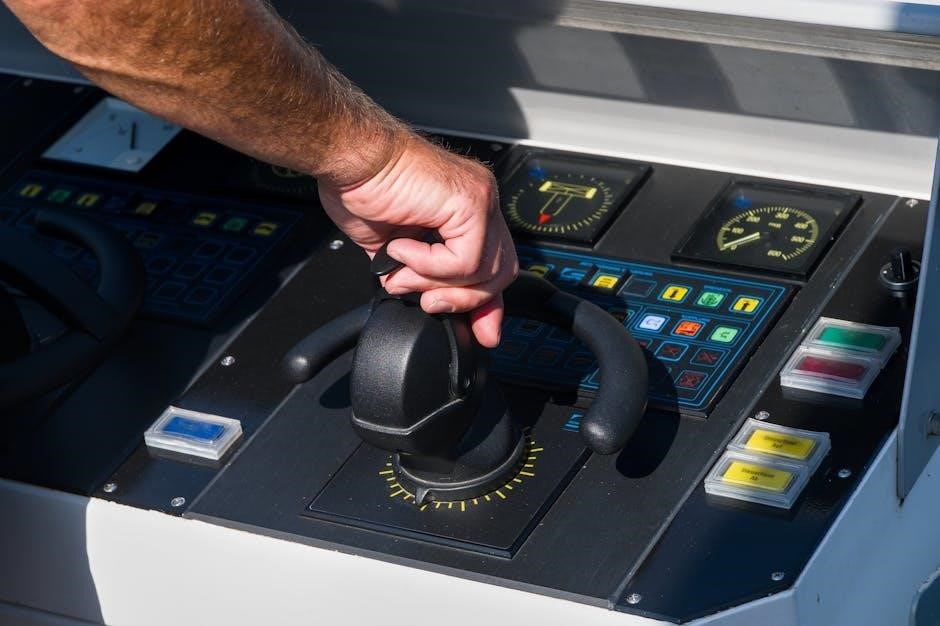
For vessels equipped with the optional joystick control, maneuvering becomes remarkably intuitive and precise. This system allows for effortless docking and low-speed operation, significantly enhancing control in tight spaces. The joystick seamlessly integrates with the DTS system, providing proportional control over throttle and steering.

Features often include modes for forward, aft, and side-to-side movement, simplifying complex maneuvers. Some systems offer functionalities like “heading hold” and “virtual anchor”, maintaining the vessel’s position against wind and current; Proper understanding of joystick operation is crucial for safe and effective use. Familiarization with the specific features and modes of your joystick system is highly recommended before operating the vessel.
DTS System Operation
Operating the Mercury DTS system involves a straightforward process for starting, shifting, throttle control, and utilizing the active trim features for optimal boating.
Starting and Stopping the Engine
Starting the engine with Mercury DTS is typically a keyless operation, utilizing a start/stop button integrated into the control unit. Ensure the throttle is in neutral before pressing the start button; the system prevents starting if not in neutral. A confirmation message will appear on the digital display, indicating successful ignition.
To stop the engine, simply press the start/stop button again. The engine will shut down, and the display will confirm the shutdown. Always allow the engine to cool down before performing any maintenance. Familiarize yourself with the specific start/stop procedure outlined in your vessel’s owner’s manual, as slight variations may exist depending on the boat model and DTS configuration. Proper engine shutdown is crucial for longevity and preventing potential issues.
Shifting Gears – Forward, Neutral, Reverse
Mercury DTS offers precise and smooth gear shifting, typically controlled via a joystick or traditional lever, depending on the system configuration. To shift into forward or reverse, gently move the control in the desired direction. The digital display will clearly indicate the selected gear.
Neutral is a critical position, often featuring a detent to prevent accidental shifting. Always ensure the engine is in neutral before starting or stopping. Shifting should be deliberate but not forceful; the DTS system is designed for effortless operation. Avoid rapid or abrupt gear changes, as this can stress the drivetrain. Confirm the gear selection on the display before increasing throttle. Proper shifting technique ensures safe and efficient vessel operation.
Throttle Control and Speed Management
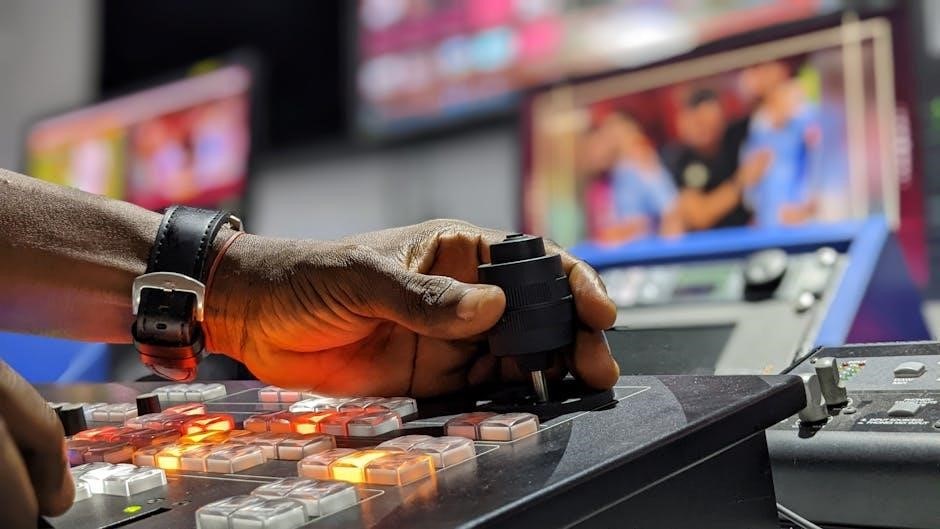
Mercury DTS provides refined throttle control, allowing for precise speed adjustments. The throttle lever or joystick controls engine RPM, directly impacting vessel speed. Smooth, gradual movements are recommended for optimal control and fuel efficiency. The digital display provides real-time feedback on engine RPM and, in some systems, vessel speed.
Anticipate your speed adjustments and avoid sudden, large throttle changes. Utilize the trim controls in conjunction with throttle adjustments to optimize performance and handling. Be mindful of no-wake zones and adjust speed accordingly. Familiarize yourself with the engine’s throttle response characteristics for safe and efficient operation. Consistent throttle control contributes to a more enjoyable boating experience.
Active Trim System Usage
The Active Trim system automatically adjusts the engine’s trim angle for optimal performance and fuel efficiency. Buttons located directly on the DTS controls provide easy access to activate and adjust this technology. Pressing the “Trim Up” or “Trim Down” buttons allows for manual trim adjustments, overriding the automatic system if desired.
Utilize Active Trim to enhance handling and ride comfort, especially in varying sea conditions. The system continuously monitors engine load and adjusts trim accordingly. Experiment with different trim settings to find the optimal configuration for your vessel and load. Remember that proper trim significantly impacts fuel consumption and overall boating experience. Regular use of Active Trim contributes to a smoother, more efficient ride.

Programming and Calibration (Dealer Restricted)
Calibration and programming of DTS components are strictly limited to authorized Mercury Marine dealers, requiring specialized tools and expertise for proper functionality.
Calibration Requirements
Successful DTS system operation hinges on precise calibration following installation or component replacement. This process ensures seamless communication between the throttle, shift control, engine, and vessel systems. Calibration isn’t a simple adjustment; it demands specialized diagnostic equipment exclusive to Mercury Marine dealerships.
Specifically, the system requires verification of throttle range, neutral drop, and shift engagement points. Incorrect calibration can lead to suboptimal performance, inaccurate speed readings, or even safety concerns. Furthermore, any software updates to the DTS control unit necessitate recalibration to maintain compatibility and functionality.
Attempting calibration without the proper tools and training can potentially damage the system and void any applicable warranties. Therefore, Mercury Marine strongly advises against any user-initiated calibration procedures, emphasizing the critical role of a qualified dealer technician.
Why Dealer Calibration is Necessary
Dealer calibration isn’t merely a procedural step; it’s a safeguard for optimal system performance and longevity. Mercury DTS systems are complex, integrating numerous electronic components that require precise synchronization. Dealers possess the proprietary software and diagnostic tools essential for accurately configuring these systems to your specific vessel and engine combination.
This calibration process accounts for variations in cable lengths, rigging configurations, and engine characteristics. It ensures the throttle response is smooth and predictable, shifting is precise, and the active trim system functions correctly. Furthermore, dealers are trained to identify and address any underlying issues that might impede proper calibration.
Attempting calibration without this expertise risks introducing errors that could compromise safety and potentially damage expensive DTS components. Relying on a dealer ensures a professional, accurate, and warranty-compliant calibration.
Restricted Programming Access
Mercury Marine intentionally restricts programming access to the DTS system beyond basic user functions. This deliberate design choice protects the integrity of the system and prevents unintended alterations that could compromise performance, safety, or warranty coverage. The advanced programming capabilities, crucial for calibration and in-depth diagnostics, are exclusively available to authorized Mercury Marine dealers.
This restriction isn’t about limiting owners; it’s about ensuring qualified technicians, equipped with specialized tools and training, perform critical adjustments. Tampering with restricted programming can lead to incorrect operation, potential engine damage, and voided warranties.
Attempting to bypass these security measures is strongly discouraged and may have serious consequences. Dealers are the sole authorized personnel capable of accessing and modifying the DTS system’s core programming parameters.

Troubleshooting Common DTS Issues
This section provides guidance on diagnosing and resolving typical problems encountered with Mercury DTS, including display errors, shift issues, and throttle responses.
Display Malfunctions
Addressing display malfunctions within the Mercury DTS system requires a systematic approach. If the display is completely blank, first verify the power supply to the control unit and check for any blown fuses. A flickering display might indicate a loose connection or a failing display module itself, necessitating inspection of wiring harnesses and connectors.
For displays showing incorrect information, such as inaccurate speed readings or gear positions, a system recalibration by a qualified dealer is often required. Error messages appearing on the screen should be carefully noted, as they provide valuable clues for diagnosis. Refer to the Mercury Marine service manual for specific error code definitions.
If the issue persists, contact an authorized Mercury dealer for professional assistance. Attempting self-repair of the display unit can void warranties and potentially cause further damage to the DTS system.
Shift Control Problems
Experiencing issues with the Mercury DTS shift control demands careful investigation. Difficulty engaging or disengaging gears can stem from several sources, including low hydraulic fluid levels (if applicable) or a malfunctioning shift cable. A delay in shifting may indicate a need for dealer recalibration of the DTS system, ensuring precise electronic communication.
If the system fails to recognize the selected gear (forward, neutral, or reverse), check for obstructions around the shift linkage. Intermittent shifting problems could point to a faulty shift control unit or a wiring issue. Always prioritize safety; avoid operating the vessel if shifting is unreliable.
Due to the complexity of the DTS system, diagnosing and resolving shift control problems often requires specialized tools and expertise. Contact an authorized Mercury dealer for professional assistance and proper calibration.
Throttle Response Issues
Inconsistent or delayed throttle response with your Mercury DTS system requires immediate attention. A sluggish reaction to throttle input could indicate a problem with the throttle actuator, the electronic throttle control unit, or the wiring harness connecting these components. Verify the throttle cable (if present) isn’t binding or damaged.
Hesitation or stumbling during acceleration may necessitate a dealer calibration to optimize the engine’s fuel and ignition timing. Erratic throttle behavior is a serious safety concern and should not be ignored. Ensure the throttle control is functioning smoothly and without excessive play.
Because DTS relies on precise electronic signals, interference or corrosion can disrupt performance. A qualified Mercury technician can diagnose and rectify these issues, restoring optimal throttle control.
Active Trim Not Functioning
If your Mercury DTS Active Trim system fails to operate, several potential causes should be investigated. First, confirm the Active Trim buttons on the control are illuminated, indicating power is reaching the system. A lack of illumination suggests a fuse or wiring issue. Inspect the trim pump and its connections for any signs of damage or corrosion.
Ensure the system hasn’t been inadvertently disabled through the digital display settings. A dealer may need to recalibrate the system if it’s functioning erratically or not responding to button presses. Proper operation relies on a functioning trim sender unit.
Active Trim provides significant performance benefits; therefore, prompt diagnosis and repair are crucial. A qualified technician can accurately pinpoint the fault and restore full functionality.

Maintenance and Care
Regular cleaning with mild soap and water, alongside protection from harsh elements, will ensure longevity and reliable operation of your Mercury DTS controls.
Cleaning DTS Controls
Maintaining the cleanliness of your Mercury DTS controls is crucial for optimal performance and longevity. Regularly wipe down the control unit, throttle, and shift levers with a soft, damp cloth. Avoid abrasive cleaners or solvents, as these can damage the surface finish and internal components. For stubborn grime, a mild soap solution can be used, ensuring thorough rinsing afterward.
Pay particular attention to the buttons for Active Trim Control, ensuring they are free from dirt and debris. Inspect the digital display for smudges and clean gently with a microfiber cloth. Never spray liquids directly onto the controls; always apply to the cloth first.
Regular cleaning not only enhances the appearance of your DTS system but also prevents the buildup of contaminants that could potentially interfere with its functionality. A clean system contributes to a smoother, more responsive boating experience.
Protecting from Environmental Factors
Mercury DTS controls, while robust, require protection from harsh environmental conditions to ensure reliable operation. Prolonged exposure to direct sunlight can fade or damage the control surfaces, so consider using a protective cover when the boat is not in use. Saltwater spray is particularly corrosive; thoroughly rinse the controls with fresh water after each use in a marine environment.
Avoid exposing the DTS unit to excessive moisture or humidity. If the boat is stored outdoors, ensure the controls are adequately shielded from rain and snow. Regular application of a marine-grade protectant can help prevent UV damage and corrosion.
Inspect wiring connections periodically for signs of corrosion or damage, addressing any issues promptly. Protecting your DTS system from the elements will significantly extend its lifespan and maintain its performance.
Regular Inspection Guidelines
Consistent inspection of your Mercury DTS system is crucial for preventative maintenance and identifying potential issues before they escalate. Visually examine the throttle and shift cables for any signs of fraying, kinking, or damage. Check all electrical connections for corrosion, ensuring they are clean and secure. Inspect the control head unit for loose buttons or any physical damage.
Periodically test the functionality of all buttons, including Active Trim controls, verifying they respond correctly. Pay close attention to the digital display, looking for any error messages or unusual readings. Ensure the joystick (if equipped) operates smoothly and accurately.
A thorough inspection every 50 hours of operation, or at least annually, is recommended. Document any findings and address them promptly to maintain optimal system performance.

Safety Precautions
Always understand emergency stop procedures and warning indicators; proper system usage is vital for safe operation and preventing accidents while boating.
Emergency Stop Procedures
In a critical situation demanding immediate engine shutdown, the primary method involves swiftly moving the throttle control to neutral. This action instantaneously cuts power to the propeller, halting forward or reverse motion. Simultaneously, depress the emergency stop button, if equipped – this provides an additional layer of security, particularly useful in scenarios where the throttle control is compromised.
Familiarize yourself with the location of the emergency stop button before operation. Regularly practice these procedures to ensure a rapid and instinctive response. Remember, a swift reaction can prevent collisions or mitigate potential hazards. After an emergency stop, thoroughly inspect the system for any damage before resuming operation. Prioritize safety and always be prepared for unexpected events on the water.
Understanding Warning Indicators
The Mercury DTS digital display incorporates a suite of warning indicators designed to alert the operator to potential system malfunctions or critical engine parameters. A flashing check engine light signifies a detected fault requiring immediate attention – consult a qualified dealer for diagnosis and repair. Low oil pressure warnings demand immediate engine shutdown to prevent catastrophic damage.
Overheat indicators signal a cooling system issue; reduce engine load and investigate the cause promptly. Battery voltage warnings suggest a charging system problem. Familiarize yourself with the meaning of each indicator depicted in the owner’s manual. Ignoring warning signals can lead to severe engine damage or hazardous operating conditions. Prioritize understanding these alerts for safe and reliable operation.
Proper System Usage Guidelines
To ensure longevity and optimal performance of your Mercury DTS system, adhere to these guidelines. Always start the engine following the prescribed procedure, allowing sufficient warm-up time before applying significant throttle. Utilize smooth, progressive throttle movements to avoid abrupt shifts and stress on the drivetrain. Engage the active trim system strategically, adjusting for varying load and sea conditions to maximize efficiency and ride comfort.
Avoid prolonged operation at extremely high or low throttle settings. Regularly inspect the control cables and connections for wear or damage. Never attempt to modify or bypass safety features. Proper usage, combined with routine maintenance, will contribute to years of reliable service and enjoyment on the water.