
Ancient River Valley Civilizations: A Comprehensive Overview
Teachers Pay Teachers offers a wealth of free resources‚ including a river valley civilizations worksheet PDF‚ designed for educators seeking engaging materials.
These resources cover key aspects of ancient civilizations‚ aiding students in understanding their historical significance and societal structures through focused activities.
River valley civilizations represent the earliest stages of complex human societies‚ flourishing around fertile river systems like the Tigris-Euphrates‚ Nile‚ Indus‚ and Yellow Rivers. These areas provided essential resources for agriculture‚ transportation‚ and defense‚ fostering population growth and societal development.
Understanding these foundational civilizations is crucial for comprehending the trajectory of human history. Teachers Pay Teachers provides valuable river valley civilizations worksheet PDFs‚ offering educators tools to introduce students to these pivotal cultures. These worksheets often include maps‚ timelines‚ and comprehension questions.
They help students explore the unique characteristics of each civilization – their innovations in writing‚ governance‚ religion‚ and technology. These resources aim to build a strong foundation for further study in world history‚ emphasizing the interconnectedness of these ancient societies and their lasting impact on the modern world.
Defining Characteristics of River Valley Civilizations
River valley civilizations shared several defining characteristics‚ including agricultural surpluses enabled by irrigation‚ leading to population density and specialized labor. Complex social hierarchies emerged‚ often with a priestly or ruling class at the top. Monumental architecture‚ like pyramids or ziggurats‚ demonstrated organizational capacity and religious beliefs.
Centralized governments developed to manage resources‚ maintain order‚ and defend territories. Writing systems arose for record-keeping and communication‚ and advancements in technology‚ such as bronze metallurgy‚ spurred innovation. Teachers Pay Teachers offers river valley civilizations worksheet PDFs that highlight these commonalities.
These worksheets often present comparative charts‚ allowing students to analyze similarities and differences across civilizations. They reinforce understanding of key concepts like urbanization‚ social stratification‚ and the role of religion in ancient societies‚ fostering critical thinking skills.
The Importance of Rivers
Rivers were absolutely fundamental to the development of early civilizations‚ providing essential resources for agriculture through irrigation and fertile silt deposits. They served as crucial transportation routes for trade and communication‚ connecting communities and facilitating cultural exchange. Access to fresh water supported population growth and allowed for the development of complex societies.
River valley civilizations worksheet PDFs‚ readily available on platforms like Teachers Pay Teachers‚ often emphasize this vital connection. These resources frequently include map activities‚ prompting students to identify major river systems and their associated civilizations.
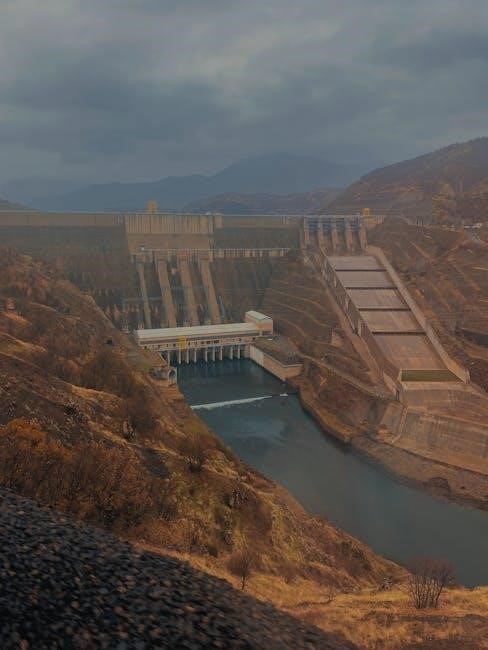
Worksheets also explore how river management – including dams and canals – impacted societal development and the environment. Understanding the symbiotic relationship between rivers and early civilizations is key to grasping their success and eventual challenges.

Mesopotamia: The “Cradle of Civilization”
Mesopotamia worksheets‚ found on Teachers Pay Teachers‚ explore Sumerian innovations‚ empires‚ and Hammurabi’s Code‚ offering a focused learning experience.
Geography of Mesopotamia: Tigris and Euphrates Rivers
Mesopotamia’s geography‚ centered around the Tigris and Euphrates rivers‚ is a core focus of educational resources available as river valley civilizations worksheet PDFs. These worksheets‚ often sourced from platforms like Teachers Pay Teachers‚ emphasize how these rivers dictated settlement patterns and agricultural practices.
Students learn about the fertile crescent‚ created by annual flooding‚ and its impact on early farming communities. Worksheets frequently include map activities‚ requiring students to identify the rivers’ courses and surrounding geographical features. They also explore the challenges posed by unpredictable flooding‚ prompting the development of irrigation systems and cooperative efforts for water management.
Understanding the rivers’ role in transportation and trade is also a key component‚ with worksheets often presenting scenarios or questions related to ancient Mesopotamian commerce. These resources aim to illustrate how the physical environment fundamentally shaped the development of this pivotal civilization.
Sumerian Civilization: Innovations and Achievements
Sumerian innovations are prominently featured in river valley civilizations worksheet PDFs‚ readily available on educational marketplaces like Teachers Pay Teachers. These resources highlight Sumer’s groundbreaking contributions to human civilization‚ focusing on advancements born from their agricultural surplus and organized society.
Worksheets commonly explore the invention of cuneiform writing‚ the earliest known writing system‚ and its impact on record-keeping and communication. Students analyze the development of irrigation techniques‚ crucial for maximizing agricultural yields in Mesopotamia. The concept of the wheel‚ monumental architecture like ziggurats‚ and early mathematical and astronomical observations are also key topics.
These PDFs often include activities requiring students to match innovations with their descriptions or analyze the societal impact of Sumerian achievements. The goal is to demonstrate how Sumerian ingenuity laid the foundation for future civilizations.
Akkadian Empire: Sargon of Akkad and Unification
River valley civilizations worksheet PDFs frequently dedicate sections to the Akkadian Empire and Sargon of Akkad’s pivotal role in unifying Mesopotamia. Resources found on platforms like Teachers Pay Teachers emphasize the significance of this transition from independent city-states to a centralized empire.
Worksheets often present Sargon’s military campaigns and strategies‚ illustrating how he conquered Sumerian city-states and established the first known empire in history. Students analyze maps depicting the Akkadian Empire’s expansion and explore the administrative challenges of governing a diverse territory.
Activities may involve comparing and contrasting Sumerian and Akkadian governance‚ or examining the impact of unification on trade and cultural exchange. The worksheets highlight Sargon’s legacy as a powerful ruler and empire builder‚ shaping the political landscape of ancient Mesopotamia.
Babylonian Empire: Hammurabi’s Code
River valley civilizations worksheet PDFs consistently feature the Babylonian Empire‚ with a strong focus on Hammurabi’s Code. Educational resources‚ readily available on sites like Teachers Pay Teachers‚ utilize this code as a primary source for understanding Babylonian society and legal principles.
Worksheets present excerpts from the Code‚ prompting students to analyze the laws and their implications for different social classes. Activities often involve comparing Hammurabi’s Code to modern legal systems‚ exploring concepts of justice‚ punishment‚ and social order.

Students examine the Code’s emphasis on “an eye for an eye” and discuss its fairness and limitations. The worksheets highlight the Code’s significance as one of the earliest and most complete written legal codes‚ influencing subsequent legal traditions and providing insights into ancient Mesopotamian values.
Assyrian Empire: Military Power and Expansion
River valley civilizations worksheet PDFs frequently address the Assyrian Empire‚ emphasizing its renowned military power and expansion. Resources found on platforms like Teachers Pay Teachers often include maps illustrating the empire’s territorial growth and timelines detailing its military campaigns.
Worksheets explore the Assyrian army’s innovative tactics‚ weaponry (like iron weapons and chariots)‚ and siege warfare techniques. Students analyze primary and secondary sources describing Assyrian brutality and the empire’s administrative strategies for controlling conquered territories.
Activities may involve comparing Assyrian military organization to that of other ancient empires‚ or debating the ethical implications of their aggressive expansionist policies. The worksheets highlight the Assyrians’ impact on the political landscape of Mesopotamia and their eventual decline due to internal strife and external pressures.

Ancient Egypt: The Gift of the Nile
River valley civilizations worksheet PDFs often detail Ancient Egypt‚ emphasizing the Nile’s crucial role‚ alongside activities exploring pharaohs and pyramids.
Geography of Egypt: The Nile River’s Influence
River valley civilizations worksheet PDFs dedicated to Ancient Egypt invariably highlight the Nile River’s profound influence. These educational materials emphasize how the predictable flooding of the Nile created fertile land‚ enabling abundant agriculture and supporting a dense population.
Worksheets often include map activities‚ requiring students to identify the Nile’s course‚ its delta‚ and key cities like Memphis and Thebes. They explore how the river served as a vital transportation artery‚ facilitating trade and communication throughout Egypt.
Furthermore‚ these resources illustrate how the Nile provided essential resources like water for drinking‚ irrigation‚ and fishing‚ shaping Egyptian life and culture. Understanding the Nile’s impact is fundamental to grasping the success and longevity of this ancient civilization‚ as presented in these learning tools.
Old Kingdom Egypt: Pharaohs and Pyramids
River valley civilizations worksheet PDFs focusing on Old Kingdom Egypt prominently feature the roles of Pharaohs and the construction of the pyramids. These resources detail the Pharaoh’s absolute power‚ considered a god on Earth‚ and their responsibility for maintaining Ma’at – cosmic order.
Worksheets often include activities analyzing the social hierarchy‚ with the Pharaoh at the apex‚ followed by priests‚ nobles‚ and scribes. A significant portion is dedicated to the pyramids‚ exploring their purpose as elaborate tombs for the Pharaohs and symbols of their divine status.
Students learn about the immense engineering feats involved in their construction‚ the labor force utilized‚ and the religious beliefs surrounding the afterlife. These materials emphasize the Old Kingdom as a period of stability‚ prosperity‚ and monumental architectural achievements‚ as illustrated through engaging exercises.
Middle Kingdom Egypt: Stability and Trade
River valley civilizations worksheet PDFs dedicated to the Middle Kingdom of Egypt emphasize a period of reunification and renewed stability following a period of disarray. These resources highlight the shift in focus towards expanding trade networks and consolidating power after the First Intermediate Period.
Worksheets often include maps illustrating trade routes extending into Nubia and the Levant‚ showcasing the exchange of goods like gold‚ ebony‚ and incense. Activities explore the role of Pharaohs in initiating irrigation projects and reclaiming land for agriculture‚ bolstering economic prosperity.
Students analyze the increased emphasis on literature and art‚ reflecting a flourishing cultural landscape. These materials underscore the Middle Kingdom as a time of restored order‚ economic growth‚ and a more accessible‚ though still powerful‚ monarchy‚ as demonstrated through interactive exercises.
New Kingdom Egypt: Empire and Expansion
River valley civilizations worksheet PDFs focusing on New Kingdom Egypt detail a period of unprecedented imperial expansion and military dominance. These resources illustrate how Egypt transformed into a vast empire through aggressive campaigns into Nubia and the Levant‚ securing resources and establishing control.
Worksheets often feature timelines charting the reigns of powerful Pharaohs like Hatshepsut‚ Thutmose III‚ and Ramesses II‚ highlighting their military achievements and building projects. Activities explore the administration of conquered territories and the influx of wealth into Egypt‚ fueling monumental construction like Karnak Temple.
Students analyze the role of a professional army and the development of new weaponry. These materials emphasize the New Kingdom as a golden age of Egyptian power‚ prosperity‚ and cultural influence‚ demonstrated through map exercises and source analysis.
Egyptian Religion and Afterlife Beliefs

River valley civilizations worksheet PDFs dedicated to Egyptian religion delve into the complex polytheistic beliefs that permeated ancient Egyptian life. These resources explore the roles of key deities like Ra‚ Osiris‚ Isis‚ and Horus‚ and their significance in daily rituals and mythology.
Worksheets commonly feature activities centered around the elaborate preparations for the afterlife‚ including mummification‚ the weighing of the heart ceremony‚ and the provision of grave goods. Students analyze depictions of the underworld from the Book of the Dead‚ deciphering symbolic imagery and understanding the journey to eternal life.
These materials emphasize the importance of temples as centers of worship and the power of the Pharaoh as a divine ruler. Through comparative analysis‚ students grasp the profound impact of religious beliefs on Egyptian society and culture.

Indus Valley Civilization: A Mysterious Past
River valley civilizations worksheet PDFs often focus on the Indus script’s undeciphered nature‚ prompting students to analyze artifacts and speculate about this lost culture.
Geography of the Indus Valley: Indus River System
River valley civilizations worksheet PDFs frequently incorporate map-based activities centered on the Indus River System’s complex geography. Students analyze the river’s course‚ tributaries‚ and the surrounding terrain‚ understanding how these features shaped settlement patterns.
Worksheets often highlight the Indus River’s seasonal flooding‚ crucial for agricultural fertility‚ and the challenges it presented to urban planning. They explore the river’s impact on trade routes‚ connecting inland cities with coastal regions.
Furthermore‚ these resources emphasize the geographical diversity of the Indus Valley‚ encompassing mountains‚ deserts‚ and fertile plains‚ and how the civilization adapted to these varied environments. Analyzing the river system’s influence is key to grasping the civilization’s success and eventual decline.
Harappan and Mohenjo-daro: Urban Planning
River valley civilizations worksheet PDFs dedicate significant attention to the remarkable urban planning of Harappa and Mohenjo-daro. Students analyze grid-pattern city layouts‚ standardized brick sizes‚ and sophisticated drainage systems‚ showcasing advanced engineering skills.
Worksheets often include diagrams and images of these cities‚ prompting students to identify key features like the Great Bath‚ granaries‚ and residential areas. They explore the purpose of these structures and how they contributed to a well-organized society.
Analyzing the uniformity in urban design across different Indus Valley sites is a common activity‚ highlighting a centralized authority or shared cultural practices. These resources emphasize the Indus civilization’s focus on public health and sanitation‚ evident in their advanced infrastructure.
Indus Script and Language: Decipherment Challenges
River valley civilizations worksheet PDFs frequently address the enigma of the Indus script‚ a major obstacle in fully understanding this civilization. Students learn about the script’s pictographic nature and its appearance on seals‚ pottery‚ and other artifacts.
Worksheets detail the ongoing efforts to decipher the script‚ emphasizing the lack of a bilingual text (like the Rosetta Stone) to provide a key. Students explore various theories about the language family to which it might belong‚ including Dravidian connections.
Activities often involve analyzing sample Indus symbols and comparing them to known writing systems. These resources highlight the challenges posed by the script’s brevity and the limited context available for interpretation‚ fostering critical thinking about archaeological evidence.
Decline of the Indus Valley Civilization: Theories
River valley civilizations worksheet PDFs commonly explore the multifaceted theories surrounding the Indus Valley Civilization’s decline around 1900 BCE. Students investigate potential causes‚ moving beyond simplistic explanations.
Worksheets detail climate change‚ specifically shifts in monsoon patterns leading to droughts and flooding‚ impacting agricultural productivity. Geological events‚ like tectonic shifts altering river courses‚ are also presented as contributing factors.
Furthermore‚ resources examine theories involving invasion‚ though evidence remains debated. Students analyze the impact of potential disruptions to trade networks and internal social or political instability. These materials encourage students to evaluate evidence and formulate informed conclusions about this complex historical transition.

Ancient China: The Yellow River Civilization
River valley civilizations worksheet PDFs often focus on China’s Yellow River‚ exploring the Shang and Zhou dynasties‚ and their cultural advancements.
Geography of Ancient China: Yellow and Yangtze Rivers
River valley civilizations worksheet PDFs frequently emphasize the crucial role of the Yellow and Yangtze Rivers in shaping ancient China’s development. These worksheets often include map activities‚ requiring students to locate the rivers and identify surrounding geographical features like mountains and plains.
Questions typically explore how the rivers provided essential resources – fertile soil for agriculture‚ water for irrigation‚ and transportation routes for trade and communication. Students analyze the impact of seasonal flooding‚ particularly on the Yellow River‚ and how ancient Chinese civilizations developed sophisticated flood control systems.
Worksheets may also delve into the differing characteristics of the two rivers; the Yellow River’s loess sediment and the Yangtze’s more stable flow. Understanding this geography is fundamental to grasping the foundations of Chinese civilization.
Shang Dynasty: Bronze Age and Oracle Bones
River valley civilizations worksheet PDFs dedicated to the Shang Dynasty often highlight its advancements during the Bronze Age. These resources typically feature questions about Shang bronze work – its craftsmanship‚ purpose (ritual vessels‚ weapons)‚ and social implications‚ indicating a hierarchical society.
A significant focus is placed on oracle bones. Worksheets present images of these bones‚ prompting students to analyze the inscriptions and understand their role in Shang divination practices. Questions explore how kings used oracle bones to communicate with ancestors and make important decisions.
Students may also examine the social structure of the Shang‚ including the role of the king‚ nobles‚ and artisans. These worksheets aim to illustrate the Shang Dynasty’s cultural and technological contributions.
Zhou Dynasty: Mandate of Heaven and Feudalism

River valley civilizations worksheet PDFs covering the Zhou Dynasty emphasize the pivotal concepts of the Mandate of Heaven and feudalism. These resources typically include questions exploring how the Zhou justified their overthrow of the Shang‚ introducing the idea that rulers governed with divine approval‚ contingent upon just rule;
Worksheets detail the feudal system established by the Zhou‚ prompting students to analyze its structure – the king granting land to lords in exchange for loyalty and military service. Questions often assess understanding of the decentralized power dynamic and its impact on societal stability.
Students may also examine the long-term consequences of feudalism‚ including the eventual fragmentation of the Zhou state. These materials aim to illustrate the Zhou’s political innovations and their lasting legacy.
Qin Dynasty: Unification and the Great Wall
River valley civilizations worksheet PDFs dedicated to the Qin Dynasty focus heavily on its remarkable unification of China and the monumental construction of the Great Wall. These resources typically present questions examining how Qin Shi Huangdi consolidated power‚ standardizing weights‚ measures‚ currency‚ and even writing.
Worksheets explore the Legalist philosophy that underpinned Qin rule‚ prompting students to analyze its emphasis on strict laws and harsh punishments. Questions often assess understanding of the dynasty’s centralized bureaucracy and its impact on Chinese society.
The Great Wall receives significant attention‚ with worksheets detailing its purpose – defense against nomadic invaders – and the immense human cost of its construction. Students analyze the Qin’s ambitious projects and their lasting impact on China’s landscape and identity.
Han Dynasty: Silk Road and Confucianism
River valley civilizations worksheet PDFs covering the Han Dynasty emphasize the flourishing Silk Road trade and the adoption of Confucianism as the state ideology. These resources typically include questions about the goods exchanged along the Silk Road – silk‚ spices‚ jade – and its impact on cultural diffusion between East and West.
Worksheets explore how the Han Dynasty expanded the empire’s territory and established a sophisticated civil service based on Confucian principles. Students analyze the examination system and its role in selecting government officials based on merit‚ rather than birth.
Questions often assess understanding of Confucian values – filial piety‚ respect for elders‚ social harmony – and their influence on Han society and governance. The worksheets highlight the dynasty’s achievements in art‚ literature‚ and technology.

Comparing and Contrasting River Valley Civilizations
River valley civilizations worksheet PDFs facilitate comparative analysis‚ prompting students to identify similarities and differences in societal structures and technological advancements.
Similarities in Social Structures
River valley civilizations worksheet PDFs often highlight the hierarchical nature of ancient societies‚ revealing striking parallels across geographically diverse regions. These worksheets commonly demonstrate that a clear social stratification existed in Mesopotamia‚ Egypt‚ the Indus Valley‚ and Ancient China.
Typically‚ a small ruling class – comprised of priests‚ nobles‚ and warriors – controlled most of the land and resources. Below them were artisans‚ merchants‚ and skilled laborers‚ forming the backbone of the economy. The vast majority of the population consisted of farmers and slaves‚ providing the essential labor force.
Worksheets frequently ask students to compare these structures‚ noting the consistent presence of a centralized authority and a division of labor. Analyzing these PDFs reinforces the understanding that despite cultural differences‚ these early civilizations shared fundamental organizational principles regarding social order and power dynamics.
Differences in Political Systems
River valley civilizations worksheet PDFs frequently explore the diverse political landscapes of these ancient societies‚ showcasing significant variations in governance. While all featured centralized power‚ the form of that power differed considerably.
Mesopotamia‚ for example‚ often experienced city-states and fluctuating empires‚ as illustrated in worksheets focusing on Hammurabi’s Code and Sargon of Akkad. Egypt‚ conversely‚ generally maintained a unified kingdom under a divine pharaoh. Indus Valley governance remains enigmatic‚ but worksheets suggest a more decentralized‚ possibly communal‚ system.
Ancient China evolved through dynasties – the Shang‚ Zhou‚ and Qin – each with distinct ruling philosophies like the Mandate of Heaven. Worksheets often prompt students to contrast these systems‚ analyzing the impact of factors like geography‚ religion‚ and military strength on political development.
Technological Advancements Across Civilizations
River valley civilizations worksheet PDFs commonly highlight the remarkable technological innovations that arose independently in each region‚ demonstrating human ingenuity. These worksheets often compare and contrast advancements‚ fostering a deeper understanding of each civilization’s unique contributions.
Mesopotamia’s cuneiform writing‚ irrigation systems‚ and bronze metallurgy are frequently featured. Egyptian advancements include monumental architecture like pyramids‚ hieroglyphic writing‚ and sophisticated mathematics. The Indus Valley showcased advanced urban planning with standardized brick construction and sanitation systems.
Ancient China’s innovations‚ such as oracle bones‚ silk production‚ and early forms of the compass‚ are also emphasized. Worksheets encourage students to analyze how these technologies addressed specific environmental challenges and shaped societal development‚ revealing the interconnectedness of innovation and civilization.