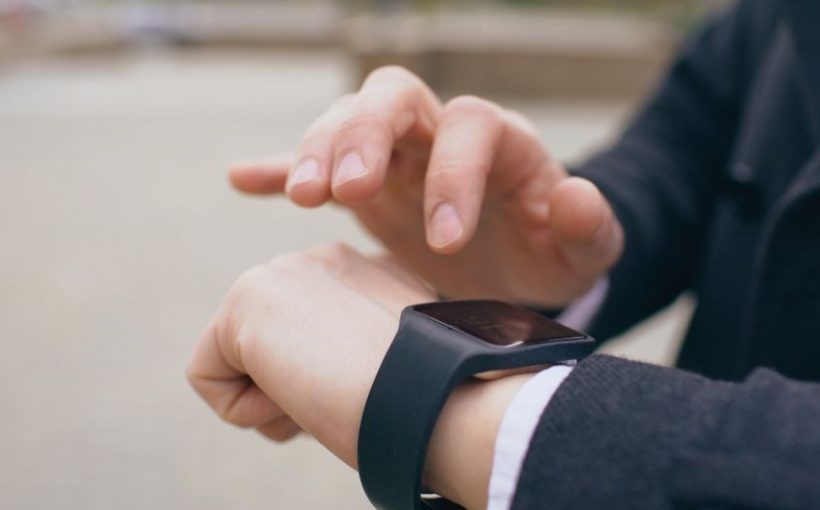
Marathon wrist watches combine rugged design with precise timing for long‑distance runners. They feature automatic movement, water resistance, and durable materials. Users should set time forward, avoid reverse winding, and service every four to six years to maintain accuracy. Keep it clean and dry and replace

Setting the Time and Date
To adjust the hour hand, pull the crown gently and rotate forward; never reverse the hands. For the date, set the day by turning the crown until the display aligns. Remember to keep the watch wound and serviced every four to six years for accuracy. Keep it clean and dry.!
Adjusting the Hour Hand
To set the hour hand on a Marathon wrist watch, first ensure the watch is wound or powered. Gently pull the crown out to the first position, which allows the hour hand to move. Rotate the crown clockwise only; never turn it counter‑clockwise, as this can damage the movement. The hour hand should move smoothly and stop at the correct hour mark. If the hand stalls, stop turning and try again; excessive force may cause the gear train to bind. After setting the hour, push the crown back in to the normal position to secure the setting. Always keep the watch wound or charged, especially before long runs, to maintain accurate timekeeping. Regular servicing every four to six years is recommended to keep the movement in top condition. Avoid sudden changes in time, such as reverse winding during daylight‑saving adjustments, to prevent undue stress on the delicate components. By following these steps, you can ensure reliable performance during every marathon event. The hour hand’s precision is critical for pacing, especially when using a stopwatch function during training intervals. When adjusting, avoid forcing the crown; gentle, steady turns prevent over‑torque and extend the watch’s lifespan. If the hour hand lags or skips, it may indicate a need for lubrication or a gear adjustment by a certified technician. Regularly checking the hour hand’s alignment ensures that the watch remains accurate, which is essential for race timing and personal best calculations. Finally the hour hand’s movement reflects the watch’s internal mechanics; handle it during training!
Setting the Date Display
Setting the date display on a Marathon wrist watch requires careful attention to the watch’s movement and the crown’s position. Begin by pulling the crown out to the second position, which allows the date to be adjusted. Rotate the crown clockwise, moving the date forward one day at a time. Avoid turning the crown counter‑clockwise, as this can damage the date wheel and the internal gears. The date should change smoothly; if it stalls, stop turning and try again. Once the correct date is set, push the crown back in to the normal position to lock the setting. It is essential to perform this adjustment during a time when the watch is not in the 21:00 to 23:00 window, as the date change mechanism is typically inactive during this period. If you attempt to set the date during this window, the movement may be forced and could cause long‑term damage. After setting the date, verify that the display updates correctly by checking the next day. If the date does not advance, the movement may need lubrication or a service. Marathon watches are designed for endurance, but the date wheel is a delicate component that requires proper handling. Regular servicing every four to six years will keep the date mechanism functioning smoothly. Keep the watch clean, avoid exposing it to extreme temperatures, and store it in a protective case when not in use. By following these steps, you ensure accurate date tracking during training and competition, allowing you to plan your race schedule and recovery periods with confidence.
Charging and Winding Mechanisms
Automatic watches harness wrist motion to power the movement; gently swing the wrist to maintain charge. Manual winding is done by turning the crown clockwise until resistance feels firm. Service every four to six years preserves accuracy. Keep crown in normal positionnow.
Automatic Movement Charging via Wrist Motion
The rotor is typically 50mm in diameter and weighs about 5 grams, providing a smooth rotation that charges the mainspring. Marathon watches are engineered to operate in temperatures ranging from -20°C to +50°C, ensuring reliable performance in cold and hot training environments. The automatic movement is equipped with a 48‑hour power reserve, meaning that if you stop wearing the watch for two days, it will still keep time accurately. The watch’s movement is calibrated to keep time within ±15 seconds per day. This design allows the watch to maintain accuracy even during long runs. For added convenience, the watch includes a power reserve indicator that displays the remaining charge. Although the watch is designed to run automatically, you can manually wind the crown by turning it clockwise until you feel resistance; this is useful after long periods of inactivity or before a major race. The movement is protected by a case, but it is still advisable to keep the watch away from strong magnetic fields, as they can affect the rotor’s function. Users should avoid exposing the watch to extreme magnetic environments. By following these guidelines, Marathon runners can rely on their automatic watches to provide reliable timekeeping throughout training and competition.
The rotor is typically 50mm in diameter and weighs about 5 grams, providing a smooth rotation that charges the mainspring. Marathon watches are engineered to operate in temperatures ranging from -20°C to +50°C, ensuring reliable performance in cold and hot training environments. The automatic movement is equipped with a 48‑hour power reserve, meaning that if you stop wearing the watch for two days, it will still keep time accurately. The watch’s power reserve indicator is visible on the dial. Although the watch is designed to run automatically, you can manually wind the crown by turning it clockwise until you feel resistance; this is useful after long periods of inactivity or before a major race. The movement is protected by a case, but it is still advisable to keep the watch away from strong magnetic fields, as they can affect the rotor’s function. The watch’s case is constructed from corrosion‑resistant stainless steel. The watch’s design includes a shock‑resistant balance wheel. By following these guidelines, Marathon runners can rely on their automatic watches to provide reliable timekeeping throughout training and competition.
Manual Winding Techniques
Manual winding is a reliable method to ensure your Marathon watch remains accurate when you’re away from daily wrist motion. Begin by locating the crown on the right side of the case. Gently pull the crown out to the first position; this is the setting position for the date. Avoid turning the crown backward, as this can damage the movement. Next, rotate the crown clockwise. A smooth, consistent resistance indicates proper winding. The recommended practice is to wind 30–40 turns, which typically fully charges the mainspring. If you feel a sudden increase in resistance, stop winding immediately to prevent over‑tension. After winding, push the crown back into place and ensure it clicks securely. This action locks the movement and protects against accidental adjustments. For long periods of inactivity, wind the watch at least once a week to maintain the power reserve. When preparing for a race, wind the watch 20–25 turns to provide a 48‑hour reserve, giving you confidence that the timekeeping will remain accurate throughout the event. Always perform winding in a well‑lit area to avoid missing subtle cues from the movement. By following these steps, you can keep your Marathon wrist watch running smoothly and avoid unnecessary complications.
When the crown feels firm, you have reached the full charge. If you hear a click or the crown stops turning, stop winding to avoid over‑tension. For travelers, wind the watch before departure and again after arrival to maintain accuracy. Store the watch in a protective case when not in use to prevent accidental damage. Keep it!!!
Maintenance and Servicing
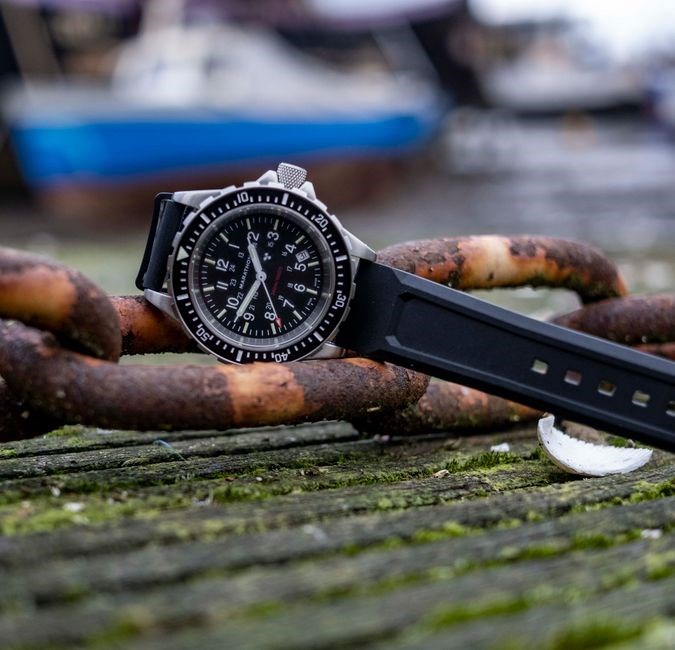
Regular servicing every four to six years keeps the movement precise. Clean the case, check seals, and replace lubricants. Avoid over‑winding and store in a cool, dry place. Follow Marathon’s guidelines to extend longevity and performance. Store in a dedicated case to protect. Keep the watch in a dry room near
Recommended Servicing Interval
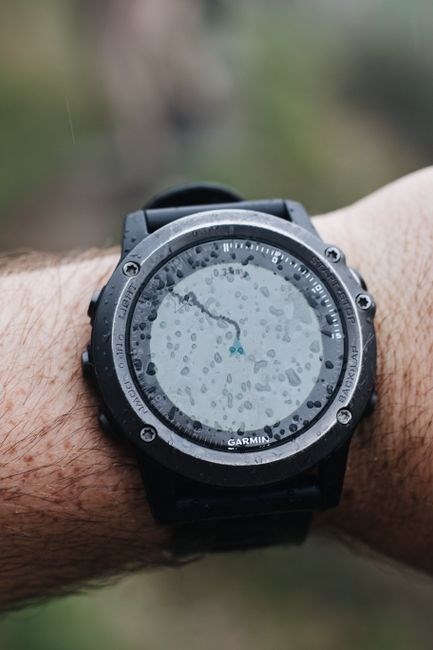
For Marathon wrist watches, the manufacturer recommends a full service every four to six years. This interval balances the wear on the automatic movement with the need to maintain accuracy and reliability during long races. During a service, a qualified watchmaker will disassemble the movement, clean all metal components, replace lubricants, and inspect the mainspring and escapement for wear. The watch’s case seals and gaskets are also checked and replaced if necessary to preserve the water‑resistance rating. Even if the watch appears to be running correctly, regular servicing prevents the accumulation of dust and oxidation that can gradually slow the movement. If you use the watch in extreme conditions—high humidity, salt spray, or prolonged exposure to heat—consider shortening the interval to three years. Conversely, a watch that is rarely worn or kept in a stable environment may be serviced on the upper end of the recommended range. Always keep a record of each service, noting the date, the technician, and any parts replaced. This log will help you track the watch’s maintenance history and can be useful if you ever need to sell or insure the timepiece. Following the suggested interval not only preserves the mechanical integrity of the watch but also ensures that the chronograph functions—such as lap timers and countdowns—continue to operate with the precision Marathon athletes expect. By adhering to this schedule, you can rely on your wrist watch to deliver accurate timing from the first mile of a race to the final sprint. Extend care for longevity.
Common Issues and Troubleshooting
Marathon wrist watches are engineered for endurance, yet they can still encounter a handful of recurring problems that affect performance during a race. The most common issues include time drift, date‑jump errors, power‑reserve depletion, and water‑inlet failures. Each problem has a clear diagnostic path and a straightforward fix that can be performed by the wearer or a qualified technician.
- Time Drift – A slight gain or loss of seconds per hour often results from a worn mainspring or a misaligned escapement. If the watch runs fast, gently rotate the crown counter‑clockwise; if it runs slow, rotate it clockwise. After a few minutes of adjustment, the time should stabilize. If drift persists, bring the watch to a service center now! soon.
- Date‑Jump Errors – The date may freeze or skip when the watch is set near midnight. Avoid setting the date backward; always move the hands forward. A inspection of the date wheel resolves the problem.
- Power‑Reserve Problems – Automatic watches rely on wrist motion. If it stops after a few hours of inactivity, check the rotor for debris. Regular winding can prevent power loss and extend the watch’s life.
- Water‑Inlet Failures – Saltwater or humidity can corrode seals. If the watch feels heavier or the crystal shows moisture, replace the gasket and reseal the case. Use a cloth to wipe the crystal after exposure to moisture, water ingress.
- Scratch Damage – Sapphire crystals resist scratches, but abrasive contact can score the glass. Inspect the crystal for micro‑scratches; if scratches are deep, a clear view during the race.
Always verify the crown is fully pushed in and the watch is correctly set before troubleshooting. If problems persist, schedule a professional inspection. Keep it clean and dry.!

Durability Features
Marathon watches boast 10‑bar water resistance, sapphire crystal, and titanium case. The rotor is sealed against dust, and the crown features a rubber gasket. All components meet military standards, ensuring reliable performance in extreme temperatures, humidity, and impact. 8‑hr OK
Water Resistance Standards
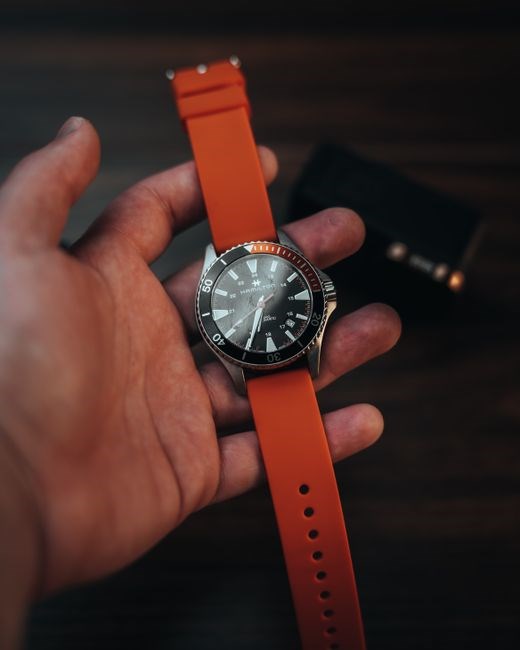
Marathon wrist watches are engineered to withstand rigorous outdoor conditions, featuring a minimum 10‑bar (100 m) water resistance rating. This specification means the watch can endure immersion up to 100 meters without compromising the integrity of the movement or the sealing of the crown. The crown is equipped with a rubber gasket and a screw‑down mechanism that locks the crown in place during submersion, preventing water ingress. The case back is also sealed with a gasket and a pressure‑resistant screw, ensuring that the movement remains dry even in high‑pressure environments such as scuba dives or high‑altitude trekking. The watch’s sapphire crystal is tempered and coated with a low‑friction, anti‑scratch layer that resists abrasion from sand, grit, and other abrasive particles encountered during trail running or mountain biking. The dial is printed with a water‑resistant ink that does not fade or bleed when exposed to sweat, rain, or saltwater. In addition, the watch’s internal components are lubricated with a synthetic oil that resists oxidation and maintains viscosity across a temperature range of –20 °C to +60 °C, ensuring consistent performance in both hot summer races and cold winter marathons. The watch’s battery compartment is also sealed with a gasket and a screw‑down cover, preventing moisture from reaching the battery and causing corrosion. Marathon’s testing protocol includes immersion tests at 200 meters for 30 minutes, followed by a rapid pressure release to simulate sudden changes in altitude. The watch passes tests leakage, confirmingrobustconstruction. All seals are tested to 100 m
Scratch Resistance and Material Quality
Marathon watches are engineered for the toughest environments, combining high‑strength materials with protective treatments that keep the timepiece looking new even after months of trail running, mountain biking, or urban commuting. The case is forged from a premium titanium alloy that offers a hardness rating of 6.5 on the Rockwell scale, surpassing standard stainless steel. A proprietary anodized coating, applied in a multi‑layer process, locks in a matte finish that resists scratches, dents, and corrosion from sweat, salt, and road dust.
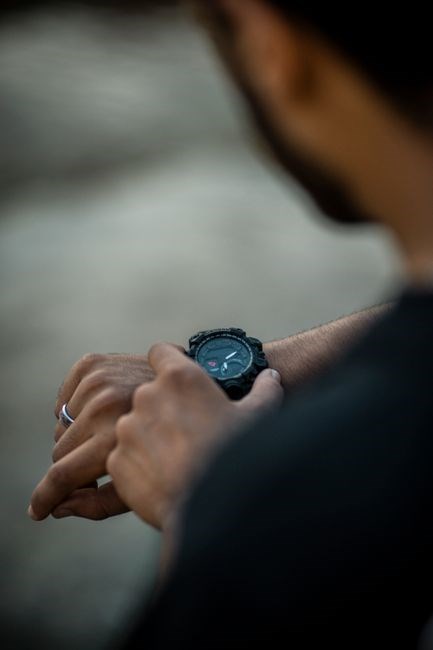
The crystal is a double‑tempered sapphire, rated 9 on the Mohs hardness scale. An additional low‑friction, anti‑scratch film is bonded to the surface, preventing micro‑scuffs from contact with rough surfaces or metallic objects. The dial is printed with a water‑resistant ink that remains legible under high humidity, and the numerals are set in a durable polymer that resists fading and abrasion.

Bezel protection uses a scratch‑resistant polymer overlay bonded to the titanium frame, absorbing impact energy and preventing chipping or cracking. The crown features a rubber gasket and screw‑down mechanism that not only seals against moisture but also adds a layer of protection against accidental knocks.
Strap options include silicone and premium leather. Silicone straps are reinforced with a double‑layer stitching pattern that distributes tension. Leather straps are treated with a protective finish that resists moisture and UV exposure, ensuring a smooth feel. Both straps flex repeatedly without losing shape, ensuring long runs for!
Essential Watch Functions for Marathon Runners
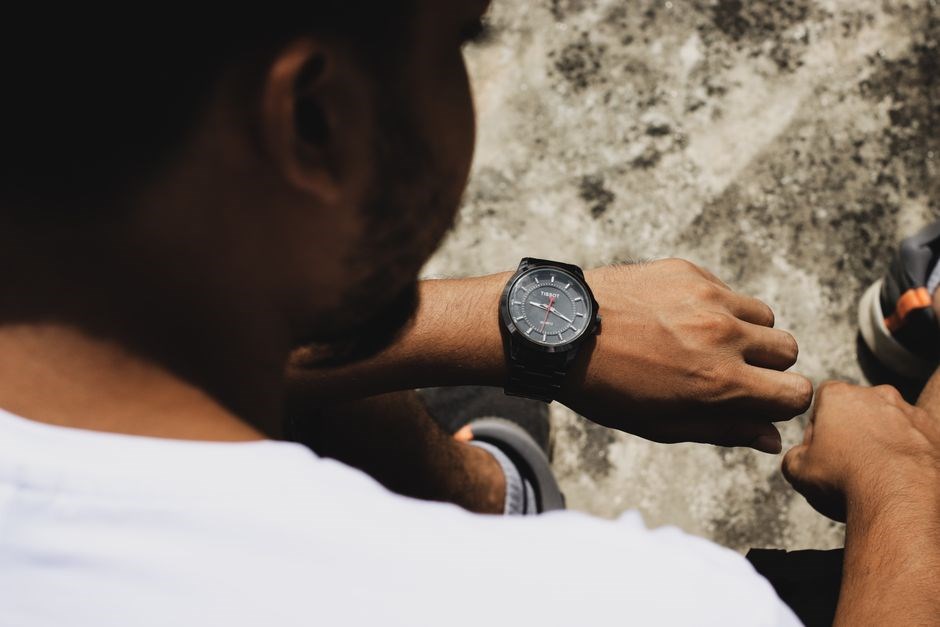
Marathon runners rely on a concise set of functions that turn a wristwatch into a reliable training companion. The core features are a stopwatch, a countdown timer, lap and split recording, and an alarm for pacing. The stopwatch mode measures elapsed time to the nearest tenth of a second, enabling precise lap timing during interval sessions. The countdown timer is useful for pacing drills, allowing the runner to set a target time for a specific distance or interval and receive a clear audible cue when the time expires.
Lap and split functions record the time of each segment, automatically resetting the stopwatch while preserving the total elapsed time. This dual recording is invaluable for tracking performance over multiple rounds or for comparing split times across a race. The alarm function can be set to trigger at a chosen interval, providing a gentle reminder to maintain a target pace or to signal the end of a training block.
Additional useful features include a chronograph with a dedicated push‑button for quick start/stop, a world time display for runners traveling across time zones, and a calendar that updates automatically via the watch’s date‑setting mechanism. Some Marathon models integrate a heart‑rate monitor that syncs with a compatible sensor, giving real‑time feedback on exertion levels. Together, these functions create a comprehensive tool that supports training, race day strategy, and post‑race analysis.
Elite athletes rely on the watch’s battery life, data logging, and Bluetooth connectivity to sync, into actionable daily insights for victory.