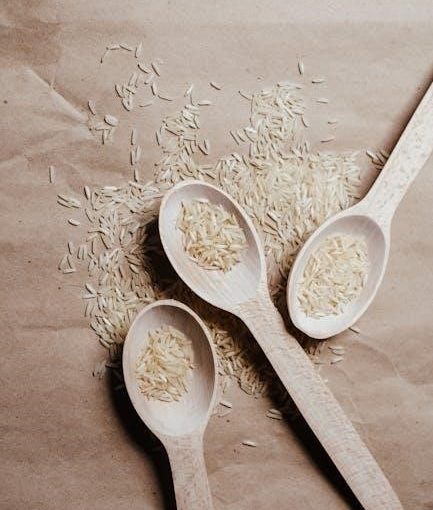
Carolina Brown Rice offers a delightful nutty flavor and a wonderfully chewy texture, making it a superb and healthy grain choice.
It’s a versatile ingredient, perfect for various dishes, and a fantastic alternative to white rice, providing substantial nutritional benefits.
This guide will explore everything you need to know about preparing and enjoying this exceptional rice variety, from rinsing to serving suggestions.
What is Carolina Brown Rice?
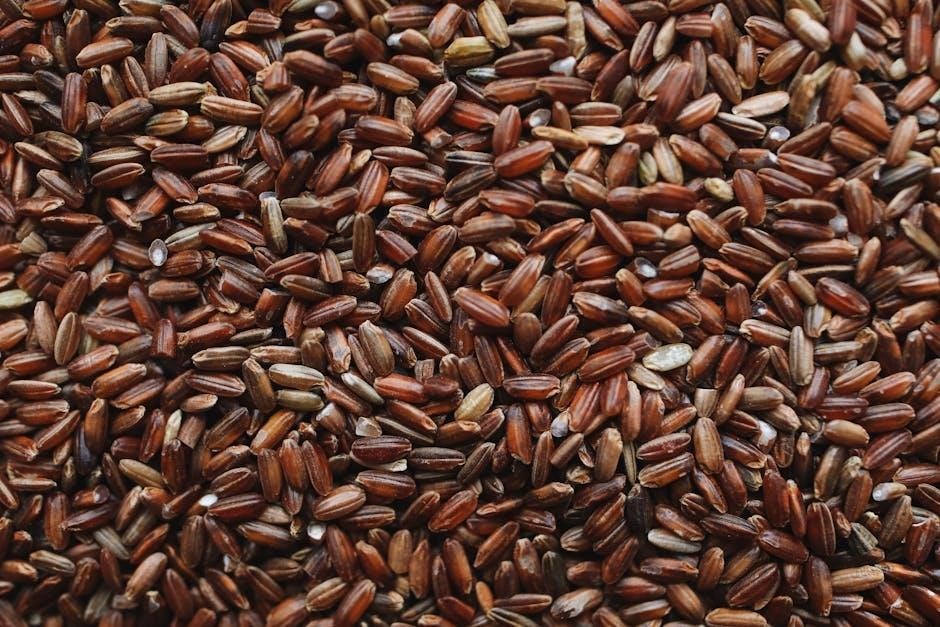
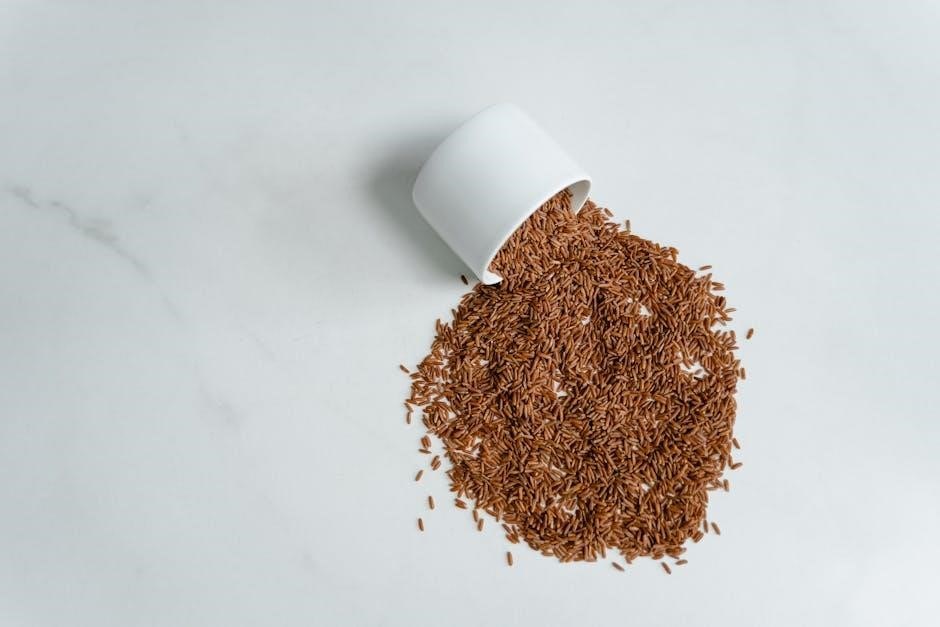
Carolina Brown Rice is a medium-grain rice cultivated in the heart of the Carolinas, renowned for its distinctive flavor profile and wholesome qualities. Unlike its white rice counterpart, Carolina Brown Rice retains its bran layer and germ, contributing to its slightly nutty taste and chewy texture. This retention of natural components also significantly boosts its nutritional value, making it a preferred choice for health-conscious individuals.
Historically, this rice variety has deep roots in the region, playing a vital role in Southern cuisine for generations. It’s a staple ingredient in many traditional dishes, offering a comforting and satisfying element. The grain’s ability to absorb flavors beautifully makes it incredibly versatile, pairing well with a wide array of seasonings and ingredients. Choosing Carolina Brown Rice means embracing a taste of Southern heritage and a commitment to a nutritious diet.
Nutritional Benefits of Carolina Brown Rice
Carolina Brown Rice is a nutritional powerhouse, offering a wealth of health benefits compared to refined grains. The intact bran layer is rich in fiber, aiding digestion and promoting a feeling of fullness, which can assist with weight management. It’s also a good source of magnesium, selenium, and various B vitamins, essential for energy production and overall well-being.
Furthermore, brown rice contains antioxidants that help protect the body against cellular damage. Its complex carbohydrates provide a sustained release of energy, preventing blood sugar spikes. Regular consumption can contribute to improved heart health and reduced risk of chronic diseases. Choosing Carolina Brown Rice isn’t just about taste; it’s an investment in your long-term health and vitality, making it a superior grain option.
Preparing Carolina Brown Rice for Cooking
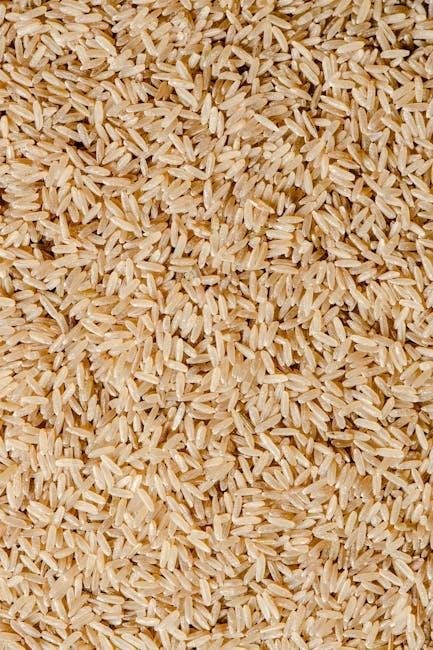
Proper preparation is key to fluffy, flavorful Carolina Brown Rice. This involves rinsing to remove excess starch and optionally, soaking for reduced cooking time.
Rinsing Carolina Brown Rice
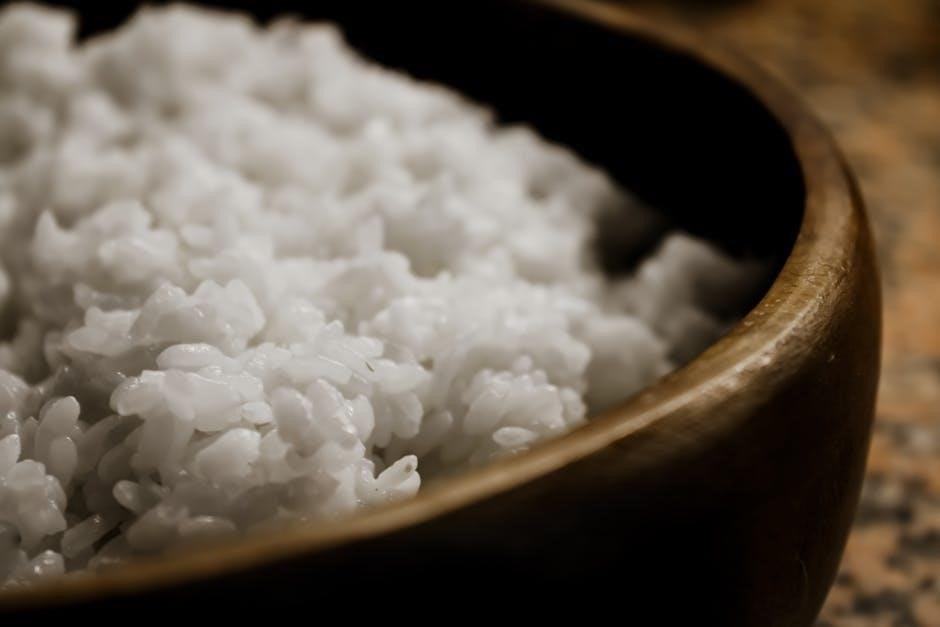
Rinsing Carolina Brown Rice is a crucial step often overlooked, yet it significantly impacts the final texture. The process removes excess starch from the surface of the grains, preventing them from clumping together during cooking and resulting in a fluffier, more distinct grain separation.
To rinse, place the desired amount of rice in a fine-mesh sieve. Hold the sieve under cold running water, gently swirling the rice with your hand. Continue rinsing until the water runs clear – this usually takes about 1-3 minutes. Don’t be overly vigorous, as you don’t want to damage the grains.
While not absolutely essential, rinsing is highly recommended, especially if you prefer a less sticky texture. Some cooks skip this step, but it’s a simple action that consistently improves the outcome, yielding a superior Carolina Brown Rice experience.
Soaking Carolina Brown Rice (Optional)
Soaking Carolina Brown Rice is an optional, yet beneficial, step that can reduce cooking time and enhance its digestibility. Soaking helps to soften the bran layer, allowing water to penetrate the grain more easily, leading to a more even and tender texture.
To soak, combine the rice with water in a ratio of 1:2 (one part rice to two parts water). Let it sit for at least 30 minutes, or up to several hours, at room temperature. Drain and rinse the rice thoroughly before cooking, discarding the soaking water.
While it adds an extra step, soaking can noticeably improve the final result, particularly for those sensitive to phytic acid found in brown rice. It’s a worthwhile consideration for optimal texture and nutrient absorption.
Cooking Methods for Carolina Brown Rice
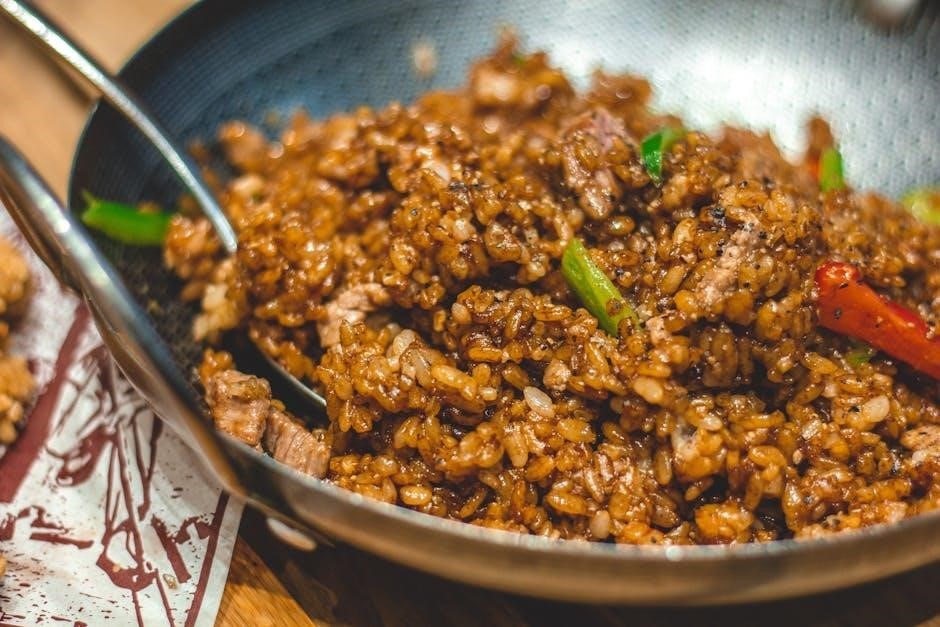
Carolina Brown Rice can be cooked using several methods, each offering unique convenience and results. Explore stovetop, rice cooker, and Instant Pot techniques!
Stovetop Cooking Method
Cooking Carolina Brown Rice on the stovetop is a classic and reliable method, allowing for precise control over the process. Begin by bringing water to a boil in a saucepan with a tight-fitting lid. Once boiling, add the rinsed Carolina Brown Rice and reduce the heat to low.
Maintaining a gentle simmer is crucial for even cooking. Avoid lifting the lid during the cooking process, as this releases steam and affects the final texture. The simmering action gently cooks the rice, resulting in a fluffy and flavorful outcome. This method requires attention, but yields excellent results.
Consistent low heat ensures the rice cooks thoroughly without burning or becoming mushy. Remember to let the rice rest, covered, for 10-15 minutes after cooking to allow the steam to redistribute, resulting in perfectly cooked grains.
Water Ratio for Stovetop Cooking
Determining the correct water ratio is paramount for perfectly cooked Carolina Brown Rice on the stovetop. A generally recommended ratio is 2 cups of water for every 1 cup of rice. However, slight adjustments may be needed based on your stove and saucepan.
For a softer texture, you can increase the water to 2 ¼ cups per cup of rice. Conversely, for a firmer texture, reduce it to 1 ¾ cups. It’s best to start with the 2:1 ratio and adjust in subsequent attempts based on your preference.
Precise measurement ensures consistent results. Using a liquid measuring cup is highly recommended. Remember that the water ratio significantly impacts the final texture, so accuracy is key to achieving your desired consistency.
Cooking Time for Stovetop Method
The typical cooking time for Carolina Brown Rice on the stovetop is approximately 45-50 minutes. Begin by bringing the water and rice to a rolling boil in a saucepan. Once boiling, immediately reduce the heat to the lowest setting, ensuring a gentle simmer.
Cover the saucepan tightly with a lid; this is crucial for even cooking and preventing the rice from drying out. Avoid lifting the lid during the cooking process, as this releases steam and disrupts the temperature.
After 45 minutes, check the rice for doneness. If the water is absorbed and the rice is tender, it’s ready. If not, continue simmering for another 5-10 minutes, checking periodically.
Rice Cooker Method
Utilizing a rice cooker simplifies Carolina Brown Rice preparation significantly; This method ensures consistent results with minimal effort, making it ideal for busy weeknights. Begin by adding the rinsed rice and water to the rice cooker pot, following the recommended water ratio for brown rice (typically 2:1 or as specified by your cooker’s instructions).
Close the lid securely and select the “Brown Rice” setting on your rice cooker. If your cooker lacks a specific brown rice setting, use the standard cooking cycle.
The rice cooker will automatically adjust the cooking time and temperature, and switch to a “warm” setting once completed. Allow the rice to rest for 10 minutes before fluffing with a fork.
Water Ratio for Rice Cooker Method
Determining the correct water ratio is crucial for perfectly cooked Carolina Brown Rice in a rice cooker. A general guideline is to use a 2:1 water-to-rice ratio, meaning two cups of water for every one cup of rice. However, this can slightly vary depending on your specific rice cooker model and personal preference.
Some rice cookers may recommend a 2.5:1 ratio for brown rice, ensuring a softer texture. Experimenting with small adjustments is encouraged to find what works best for your equipment and taste;
Always refer to your rice cooker’s manual for specific instructions regarding brown rice cooking. Precise measurements guarantee optimal results, preventing the rice from being too dry or mushy.
Cooking Time for Rice Cooker Method
Cooking Carolina Brown Rice in a rice cooker typically takes between 45 to 55 minutes. This timeframe is considerably longer than white rice, due to the bran layer requiring more time to soften and become palatable. The exact cooking duration depends on your rice cooker’s settings and the amount of rice being cooked.
Most rice cookers have a dedicated “Brown Rice” setting, which automatically adjusts the cooking time and temperature for optimal results. Once the cooking cycle is complete, allow the rice to steam for 10-15 minutes with the lid closed.
This resting period allows the moisture to redistribute, resulting in fluffier, more evenly cooked grains. Avoid lifting the lid during cooking to maintain consistent temperature and prevent steam loss.
Instant Pot Method
The Instant Pot offers a remarkably efficient way to cook Carolina Brown Rice, significantly reducing cooking time compared to stovetop methods. This method yields consistently fluffy and perfectly cooked rice with minimal effort. It’s ideal for busy weeknights or when you desire a hands-off approach.
Using an Instant Pot ensures even heat distribution and precise temperature control, resulting in superior texture and flavor. The pressure cooking process helps break down the bran layer, making the rice tender and easier to digest. This method is a game-changer for consistently perfect Carolina Brown Rice.
It’s a convenient and reliable way to enjoy this nutritious grain.
Water Ratio for Instant Pot Method
For the Instant Pot, a precise water-to-rice ratio is crucial for achieving optimal results with Carolina Brown Rice. Generally, a 1:1.25 ratio works exceptionally well – meaning for every 1 cup of rice, use 1.25 cups of water. However, slight adjustments may be needed based on your Instant Pot model and personal preference.
Some cooks prefer a slightly higher ratio of 1:1.5 for a softer texture. It’s always best to start with the 1:1.25 ratio and adjust in subsequent batches. Ensure accurate measurements for consistent outcomes. Using filtered water can also enhance the flavor of the cooked rice.
Remember, this ratio is specifically for Carolina Brown Rice, as other varieties may require different amounts of liquid.
Cooking Time for Instant Pot Method
When using the Instant Pot to cook Carolina Brown Rice, the cooking time is typically 22-25 minutes on high pressure. This timeframe ensures the rice is fully cooked and has a pleasant, slightly chewy texture. After the pressure cooking cycle completes, allow for a natural pressure release of 10-15 minutes.
This natural release helps prevent the rice from becoming mushy. Following the natural release, carefully release any remaining pressure manually. Fluff the rice gently with a fork before serving. Cooking times can vary slightly depending on your Instant Pot model and the quantity of rice being cooked.
Experimenting within this range will help you find the perfect cooking time for your preferences.
Flavor Enhancements & Variations
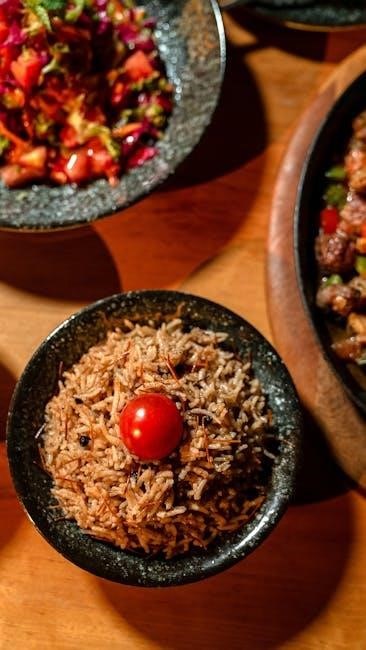
Elevate your Carolina Brown Rice with flavorful additions! Broth, herbs, and spices transform this simple grain into a culinary delight, enhancing every bite.
Adding Broth Instead of Water
Substituting broth for water when cooking Carolina Brown Rice dramatically elevates the final flavor profile. Chicken, vegetable, or even beef broth imparts a rich, savory depth that plain water simply cannot achieve. This simple swap transforms the rice from a neutral base into a flavorful component of your meal.
When using broth, maintain the same liquid-to-rice ratio as you would with water – typically a 2:1 ratio for stovetop cooking or as specified by your rice cooker or Instant Pot instructions. Be mindful of the sodium content of your chosen broth; you may need to adjust the amount of salt added during or after cooking to prevent the rice from becoming overly salty. Low-sodium broth is an excellent option for greater control over the seasoning.
Experiment with different broth varieties to complement your dish. For example, vegetable broth pairs beautifully with stir-fries, while chicken broth enhances the flavor of rice served alongside roasted poultry.
Seasoning Carolina Brown Rice
Seasoning Carolina Brown Rice is key to unlocking its full potential. While delicious on its own, a touch of seasoning elevates the rice to complement any meal. The most basic, yet effective, seasoning is Salt and Pepper. Add salt during the cooking process – about ½ teaspoon per cup of uncooked rice – and freshly ground black pepper after cooking to taste.
Beyond the basics, explore Herbs and Spices! Bay leaves added during cooking impart a subtle aroma. For a Mediterranean flair, try dried oregano or thyme. A pinch of turmeric adds color and earthy flavor. Cumin and coriander work wonderfully with Mexican-inspired dishes. Consider a dash of garlic powder or onion powder for added savory notes.
Don’t be afraid to experiment and find your favorite combinations!
Salt and Pepper
Salt and Pepper are the foundational seasonings for Carolina Brown Rice, enhancing its natural nutty flavor without overpowering it. Adding salt during the cooking process is crucial; it allows the grains to absorb the seasoning evenly, resulting in a more flavorful final product. A general guideline is approximately ½ teaspoon of salt per cup of uncooked rice, but adjust to your preference.
Black pepper, ideally freshly ground, should be added after the rice is cooked. This preserves its aromatic oils and provides a brighter, more pronounced peppery bite. The amount of pepper is entirely dependent on your taste – start with a pinch and add more as needed.
These two simple seasonings create a perfectly balanced base for further flavor additions.
Herbs and Spices
Herbs and Spices elevate Carolina Brown Rice from a simple side dish to a culinary experience. For a Mediterranean flair, consider adding dried oregano, thyme, or rosemary during the last 15 minutes of cooking. A bay leaf simmered with the rice imparts a subtle, aromatic depth.
Spices like turmeric, cumin, or coriander introduce warmth and complexity. A pinch of smoked paprika adds a delightful smoky note. Fresh herbs, such as parsley, cilantro, or chives, are best stirred in after cooking to retain their vibrant flavor and color.
Experiment with combinations – a touch of ginger and garlic powder creates an Asian-inspired rice, while chili powder offers a spicy kick.
Troubleshooting Common Issues
Common issues with Carolina Brown Rice are easily addressed! Adjusting water ratios or cooking times usually resolves problems like hardness, mushiness, or sticking.
Rice is Too Hard
If your Carolina Brown Rice remains too hard after the initial cooking time, it indicates insufficient moisture or an inadequate cooking duration. Don’t immediately discard it! The most common solution is to add a small amount of water – typically ¼ to ½ cup – to the pot or rice cooker.
Then, reseal the pot and continue cooking for an additional 5-10 minutes, checking for tenderness. For stovetop cooking, reduce the heat to low to prevent burning. If using a rice cooker, simply restart the cooking cycle;
Remember that brown rice requires a longer cooking time than white rice due to the presence of the bran layer. Ensure you’re following the recommended water ratios and cooking times for your chosen method. A longer soaking period (see the ‘Soaking Carolina Brown Rice’ section) can also help soften the grains before cooking, leading to a more tender result.
Rice is Too Mushy
Experiencing mushy Carolina Brown Rice? This usually means too much water was used during cooking, or the cooking time was excessively long. Unfortunately, reversing this is difficult, but not impossible. Gently spread the cooked rice on a baking sheet and place it in a warm oven (around 200°F or 93°C) for about 10-15 minutes.
This can help evaporate some of the excess moisture, improving the texture. Be careful not to dry it out completely! For future attempts, meticulously measure the water ratio according to the chosen cooking method (stovetop, rice cooker, or Instant Pot).
Reducing the cooking time slightly can also prevent mushiness. Remember, brown rice is more prone to overcooking than white rice, so careful monitoring is key to achieving the perfect texture.
Rice is Sticking to the Pot
Finding your Carolina Brown Rice stubbornly stuck to the bottom of the pot? This is a common issue, often stemming from insufficient liquid or cooking at too high a heat. Immediately remove the pot from the heat source. Do not attempt to scrape while hot, as this will worsen the sticking.
Add a tablespoon or two of water to the pot, cover it, and let it steam for 5-10 minutes. This will help loosen the stuck rice. Gently scrape with a wooden spoon or spatula. For prevention, ensure adequate liquid and use a heavy-bottomed pot for even heat distribution.
A non-stick pot is also a great option. Lowering the heat to a gentle simmer is crucial for preventing sticking during cooking.
Serving Suggestions
Carolina Brown Rice elevates any meal! Enjoy it as a wholesome side, or incorporate it into vibrant bowls and refreshing salads for a complete dish.
Carolina Brown Rice as a Side Dish
Carolina Brown Rice truly shines when served as a versatile side dish, complementing a wide array of main courses. Its slightly nutty flavor and satisfyingly chewy texture make it a fantastic alternative to plain white rice, adding both depth and nutritional value to your meal.
Consider pairing it with grilled or roasted proteins like chicken, fish, or steak. The rice beautifully absorbs the flavors of accompanying sauces and marinades. It also works wonderfully with vegetarian options such as lentil stews, vegetable curries, or roasted tofu.
For an extra touch of flavor, try finishing the cooked rice with a sprinkle of fresh herbs like parsley or cilantro, or a drizzle of olive oil and a squeeze of lemon juice. A simple side of steamed or roasted vegetables completes the plate, creating a balanced and delicious meal. Don’t hesitate to experiment with different seasonings to find your perfect pairing!
Carolina Brown Rice in Bowls & Salads
Carolina Brown Rice elevates both nourishing bowls and refreshing salads with its wholesome goodness and delightful texture. Its ability to hold its shape while remaining tender makes it an ideal base for vibrant, flavorful creations.
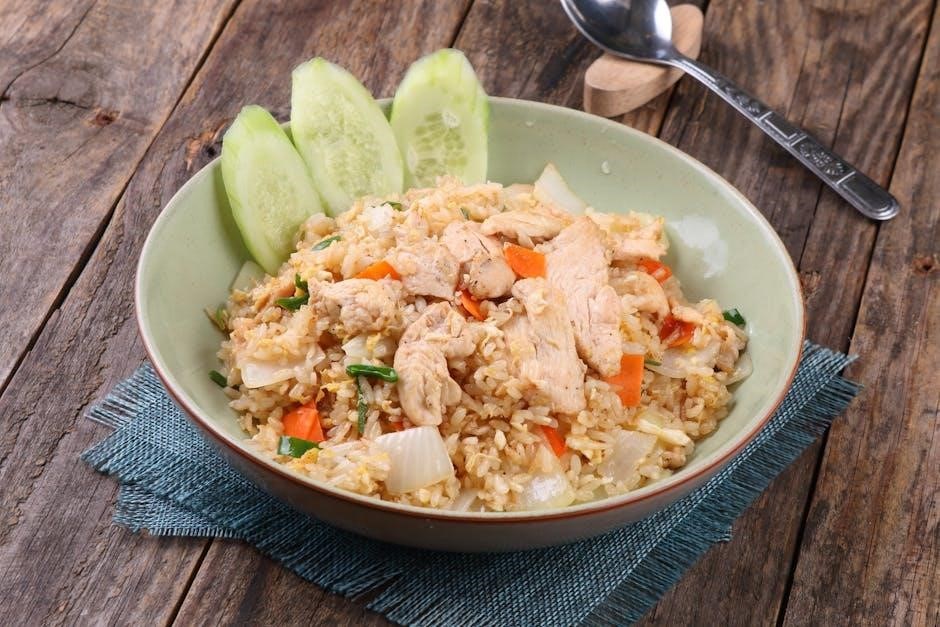
In bowls, combine the cooked rice with roasted vegetables, protein sources like chickpeas or grilled chicken, and a flavorful sauce – think tahini dressing, peanut sauce, or a zesty vinaigrette. Add toppings like avocado, sprouts, or toasted seeds for extra crunch and nutrition.
For salads, allow the rice to cool completely before mixing it with chopped vegetables, herbs, and a light dressing. Consider adding crumbled feta cheese, dried cranberries, or toasted nuts for added complexity. Carolina Brown Rice brings a satisfying heartiness to salads, transforming them into a complete and fulfilling meal.
Storage and Reheating
Proper storage keeps cooked Carolina Brown Rice fresh for several days. Reheating with a splash of water restores its fluffy texture and delightful flavor perfectly.
Storing Cooked Carolina Brown Rice
To maintain the quality and safety of your cooked Carolina Brown Rice, proper storage is essential. Allow the rice to cool completely before transferring it to an airtight container. This prevents condensation, which can lead to bacterial growth and affect the texture.
Refrigeration is key; store the cooled rice in the refrigerator within one hour of cooking. When stored correctly, cooked Carolina Brown Rice can remain fresh and safe to eat for up to four to six days. Ensure the container is truly airtight to prevent the rice from drying out or absorbing odors from other foods in the refrigerator.
For longer-term storage, freezing is an excellent option. Portion the cooked rice into freezer-safe bags or containers, leaving some headspace for expansion. Frozen Carolina Brown Rice can maintain its quality for up to two to three months. When ready to use, thaw it in the refrigerator overnight for best results.
Reheating Carolina Brown Rice
Reheating cooked Carolina Brown Rice is simple, but maintaining its texture requires a little moisture. The best method depends on your preference and time constraints. For smaller portions, microwaving is convenient. Add a tablespoon or two of water per cup of rice, cover with a damp paper towel, and heat in 1-2 minute intervals, stirring between each, until warmed through.
For larger quantities, or to restore a fluffier texture, reheating on the stovetop is recommended. Place the rice in a saucepan with a splash of water or broth, cover, and heat over medium-low heat for 5-10 minutes, stirring occasionally. This gentle heating prevents the rice from drying out or becoming overly sticky.
Avoid prolonged high-heat reheating, as it can make the rice tough. A little added liquid is crucial for restoring moisture and achieving a pleasant, palatable texture.