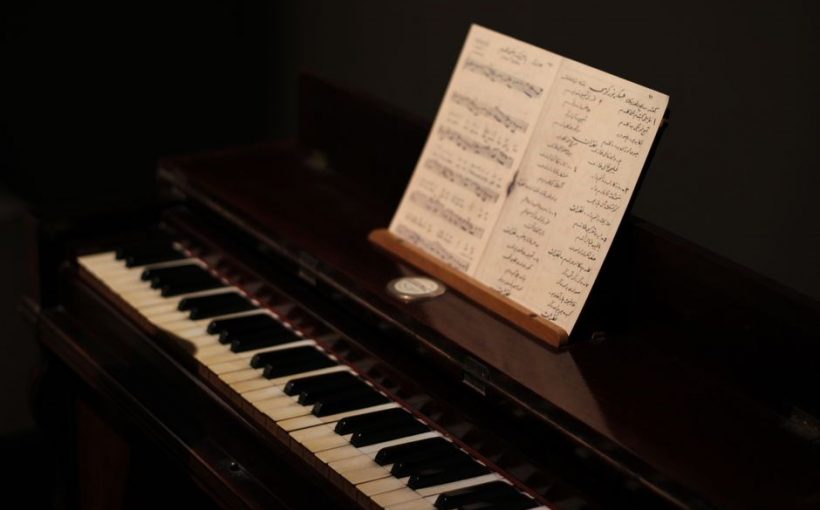
Für Elise PDF sheet music offers free and commercial options, including MuseScore’s official PDF and IMSLP downloads․ Musicians can access the original layout, fingerings, and pedal markings, facilitating study and performance for pianists of all levels․!
Historical Background of the Piece
Für Elise, officially titled “Bagatelle No․ 25 in A minor, WoO 59,” was composed by Ludwig van Beethoven in 1810, during the early phase of his middle period․ The manuscript, dated 1810, was likely written for Therese Malfatti, a close friend and pianist, as the nickname “Für Elise” suggests․ Although Beethoven never published the piece, it survived in a single manuscript housed in the Beethoven‑Haus in Bonn․ The work’s structure is concise: an opening A‑minor theme, a contrasting B‑section in C‑major, and a return to the A‑theme, all wrapped in a simple yet expressive form․ Its melodic charm and rhythmic vitality made it a favorite among students and amateurs․ The piece was first published posthumously in 1867, two decades after Beethoven’s death, and quickly entered the piano repertoire worldwide․ Over the years, Für Elise has appeared in countless recordings, films, and educational materials, cementing its status as an iconic piano work․ Its enduring appeal lies in its blend of lyrical beauty and technical accessibility, allowing performers of all levels to engage with Beethoven’s genius․ The manuscript, dated 1810, shows Beethoven’s subtle dynamic markings hinting at expressive phrasing․ Scholars note the piece reflects early Romantic sensibilities․ Its popularity makes it a staple in conservatory curricula worldwide for ages!
Legal Status and Public Domain Considerations
Because Ludwig van Beethoven died in 1827, Für Elise entered the public domain․ The 1810 manuscript and the 1867 post‑humous publication are free to reproduce․ Modern editions with added editorial markings, fingerings, or new arrangements may still be copyrighted․ MuseScore․com offers a free PDF under a Creative Commons license, while commercial publishers like Hal Leonard keep exclusive rights to their annotated editions․ Users should verify the license of each PDF before copying or sharing․ The International Music Score Library Project (IMSLP) hosts the original score under a public‑domain license, allowing unrestricted use․ When creating derivative works, consult the specific terms of the source edition and, if necessary, obtain permission from the publisher․ In many countries, the 70‑year post‑death rule applies; thus, any edition published after 1897 that contains new editorial content may still be under copyright․ Consequently, musicians and educators often rely on IMSLP or Creative Commons releases for teaching, while reserving paid editions for advanced study or professional performance․ Proper attribution remains good practice, even when the underlying work is public domain․ These resources support beginner pianists alike for level․

Primary PDF Sources
MuseScore․com offers a free PDF of Für Elise with original layout and optional MIDI․ IMSLP hosts the public‑domain score, allowing unrestricted use․ Commercial providers supply annotated editions with fingering and pedal markings for advanced study for performer!
MuseScore․com Official PDF
On MuseScore․com, the official PDF of Ludwig van Beethoven’s “Für Elise” (WoO 59) is freely downloadable․ The score preserves the original 19th‑century manuscript layout, featuring the right‑hand melody, left‑hand accompaniment, and the characteristic A‑minor key signature․ The PDF includes all measures, dynamics, and tempo markings exactly as in the manuscript․ Users can also download a MIDI file that reproduces the notation, allowing pianists to hear the piece as intended․ Users can toggle fingering in the viewer for convenience․ This feature is especially useful for beginners who need guidance on hand positioning․ The PDF is licensed under Creative Commons, permitting non‑commercial use and sharing, provided the original source is credited․ Musicians can print the score directly from the browser or save it to a device for offline practice․ The file is available in both PDF and SVG formats, ensuring compatibility with a wide range of devices and software․ The MuseScore version also offers a “practice mode” that lets users loop specific measures, adjust playback speed, and isolate the left‑hand or right‑hand part; This makes it an ideal resource for targeted rehearsal and technical drills․ The platform’s community forums provide additional tips on interpretation, pedal usage, and common pitfalls․ By downloading the official PDF, pianists gain access to a trulyhighquality,faithful representation of the piece that is both legally safe and pedagogically valuable
IMSLP Free PDF Downloads
Beethoven’s “Für Elise” (WoO 59) is freely available on the International Music Score Library Project (IMSLP)․ The site hosts the original manuscript in PDF form, preserving the authentic 19th‑century notation, key signature, and dynamic markings․ Users can download the PDF directly, which typically weighs around 1․2 MB, and print or view it on any device․ The IMSLP version includes the full score with both hands, the pedal markings, and the original tempo indications․ It is licensed under the public domain, allowing unrestricted use for personal study, performance, and educational purposes․ The PDF also contains the “score” and a “parts” version, enabling pianists to isolate the right‑hand melody or the left‑hand accompaniment for focused practice․ Additionally, IMSLP offers a “PDF‑to‑MIDI” conversion tool, letting users generate a MIDI file from the score for playback․ The community forums on IMSLP provide discussion threads where performers share fingering suggestions, pedal techniques, and interpretive insights․
Users may also download the PDF from the IMSLP archive, where a scanned image of the original manuscript page is often included․ The archive’s PDF‑to‑MIDI tool lets pianists hear the rhythmic structure, and the metronome‑guided playback feature aids timing practice for consistent tempo․ now․
Commercial Sheet Music Providers
Commercial outlets such as Sheet Music Plus, Musicnotes, and Hal Leonard offer professionally engraved PDFs of Beethoven’s “Für Elise․” These editions often include modern editorial corrections, optional fingering charts, and pedal‑marking variations tailored for contemporary performance practice․ Prices range from $5․99 to $12․99, with bulk‑purchase discounts for educational institutions․ The PDFs are downloadable immediately after purchase and come in high‑resolution formats suitable for printing on standard 8․5×11 paper or for use on digital tablets․ Many vendors provide a “preview” mode, allowing buyers to view the first page before buying, and some include a complimentary MIDI file for playback․ Additionally, subscription services like Scribd or Audible’s “Sheet Music Library” occasionally feature “Für Elise” in their catalog, granting temporary access to the PDF for a monthly fee․ These commercial versions typically include a publisher’s watermark and a digital rights management (DRM) notice, preventing unauthorized redistribution․ For performers seeking a polished, publisher‑approved score, these PDFs are a reliable choice, especially when accompanying recordings or teaching materials that require a standardized layout․ These PDFs support sheet‑music online practice․
Arrangements and Editions
Explore diverse Für Elise editions: the 19th‑century manuscript layout, finger‑annotated scores, and pedal‑marking variants․ Each PDF offers editorial choices, aiding performers in selecting the version that best matches their interpretive goals!
Original 19th‑Century Manuscript Layout
Beethoven’s “Für Elise” (WoO 59) first appeared in the 19th‑century manuscript form, a concise piano piece written in A minor․ The original score, preserved in the Vienna State Library, displays the composer’s meticulous use of staccato, legato, and dynamic markings, yet it lacks modern fingerings or pedal indications․ When transcribed into PDF format, the manuscript layout is reproduced faithfully: two staves, a single clef, and the original German titles and tempo markings․ PDFs sourced from IMSLP provide high‑resolution scans of the autograph, allowing pianists to study the exact spacing and phrasing that Beethoven intended; MuseScore’s official PDF, released in 2024, offers a clean digital version that mirrors the manuscript’s structure while adding optional fingering layers for educational purposes․ The absence of pedal markings in the original encourages performers to experiment with sustain placement, reflecting 19th‑century performance practice․ Scholars and students often compare the manuscript PDF with later editions to trace editorial changes, such as added dynamics or altered note values, thereby gaining insight into the evolution of this beloved work․ By examining the manuscript PDF, performers gain a deeper appreciation for Beethoven’s original phrasing intentions, enabling them to make informed interpretive choices that honor the historical context while allowing personal artistic expression․ This approach deepens the connection between performer and score today
Fingering‑Annotated Editions
Fingering‑annotated editions of Für Elise provide essential guidance for pianists navigating the piece’s rapid arpeggios and shifting hand positions․ The most popular PDF version, released by MuseScore in 2024, incorporates Beethoven’s original notation while layering suggested finger numbers directly above the notes․ This digital edition is freely downloadable, allowing students to toggle the fingering layer on or off, a feature absent in the raw manuscript PDFs from IMSLP․ Commercial publishers such as Alfred Music and Hal Leonard offer hard‑back scores that include detailed fingerings, pedal marks, and rehearsal marks with editorial commentary on technical challenges․ These editions use a two‑stave layout, with the right hand on the upper staff and the left hand on the lower, and they annotate the first 30 measures with finger numbers 1–5, ensuring beginners can maintain proper hand orientation․ Advanced players may prefer editions that omit the fingering layer, encouraging independent hand placement, but the annotated PDFs remain invaluable for early practice․ Some online platforms provide interactive fingering tools that allow users to click on a note and see the recommended finger, a feature especially useful for mobile devices․ By comparing multiple annotated PDFs, performers can evaluate alternative fingerings suggested by different editors, thereby refining their technique and achieving a more idiomatic interpretation of Beethoven’s iconic motif․ They help build rhythmic precision now
Pedal‑Marking Variants
Pedal‑marking variants in Für Elise PDFs reflect differing editorial philosophies and performance traditions․ The original manuscript, preserved in the Beethoven estate, contains sparse pedal indications, primarily a single “p” at the beginning of the first phrase and a “pp” near the end of the second section․ Modern editions on IMSLP often reproduce these minimal marks, leaving performers to decide on sustain usage․ In contrast, the 2024 MuseScore release adds a comprehensive pedal scheme: a continuous pedal on the opening arpeggio, a half‑pedal break before the middle theme, and a full‑pedal sustain throughout the final coda․ This approach aligns with the Romantic practice of using the pedal to create a blurred harmonic texture, a technique favored by many 19th‑century pianists․ Commercial publishers such as Alfred Music and Hal Leonard provide alternative pedal charts that emphasize half‑pedal techniques, suggesting a “half‑sustain” during the transition to the middle section to avoid over‑sustain․ Some editions, especially those aimed at beginners, omit pedal markings entirely, encouraging students to focus on rhythmic clarity before tackling sustain․ Advanced performers often consult multiple PDFs, comparing the MuseScore “full‑pedal” version with the IMSLP “minimal” version, to decide whether a sustained pedal enhances the lyrical quality or obscures the inner voices․ Ultimately, the choice of pedal marking depends on the performer’s goals, the desired balance of clarity and sonority, and stylistic context․
Performance Practice
For Für Elise PDFs, pianists balance technical precision with expressive phrasing․ Light pedal use, dynamic contrast, and careful articulation highlight the work’s lyrical charm, while tempo choices reflect Romantic nuance․ !! !!!
Technical Challenges for Beginners
Für Elise, while iconic, presents several hurdles for novice pianists․ The opening right‑hand arpeggios require rapid, independent finger movement; beginners often struggle with the alternating pattern of 1‑3‑5‑2‑4‑1‑3‑5, which can lead to uneven articulation․ The left hand’s sustained bass notes demand a steady, even pedal use; improper timing can muddy the texture․ Dynamic shading is crucial—soft crescendos and sudden accents must be executed with control, yet many students default to a flat volume․ The piece’s tempo markings (Allegretto) call for a balanced pace; beginners may either rush or drag, disrupting phrasing․ Additionally, the frequent use of the middle register demands careful hand positioning to avoid strain․ Finally, the final section’s rapid triplet figures test coordination and precision, often causing hesitation or missed notes․
Beginners should focus on hand posture, ensuring relaxed wrists and even finger pressure․ Practicing left‑hand arpeggios in isolation builds independence․ Use a metronome at 108 bpm to keep steady tempo, gradually increasing as accuracy improves․ Finally, rehearse the final triplet passage slowly, marking key positions to avoid rushing․ Keep practicing daily to build confidence!!
Interpretive Variations by Famous Pianists
Interpretive variations in Für Elise reveal how pianists shape the piece’s lyrical and dramatic contours․ Ludwig van Beethoven’s original manuscript offers a simple, almost conversational line, yet virtuosos such as Arthur Rubinstein bring a warm, singing tone, emphasizing the lyrical middle section with subtle rubato․ In contrast, Vladimir Horowitz’s recordings highlight the dramatic contrast, using a sharp, almost percussive attack on the opening arpeggios, while maintaining a velvety legato in the right‑hand phrases․ More contemporary performers, like Daniel Barenboim, exploit the piece’s harmonic ambiguity, inserting a slightly delayed pedal to create a ghostly resonance that underscores the nostalgic mood․ Meanwhile, pianist Yuja Wang opts for a brisk tempo, employing a bright, crystalline touch that accentuates the rhythmic drive, and she often adds a gentle crescendo in the final passage to bring the piece to an uplifting close․ These diverse approaches illustrate that the same PDF score can inspire a spectrum of interpretive choices, from the understated elegance of Rubinstein to the bold, expressive dynamics of Horowitz, each offering a unique listening experience․ Whether you favor Rubinstein’s lyrical warmth or Horowitz’s dramatic intensity, Für Elise remains a study of depth and nuance!
Supplementary Resources
Explore free practice guides, audio tracks, and community forums for Für Elise․ Download tutorial PDFs, listen to masterclass recordings, and join online piano groups to share insights and performance tips Join Reddit forum
Practice Guides and Practice Tracks
For pianists seeking structured preparation, numerous free practice guides accompany the Für Elise PDF scores․ A popular resource is the “Für Elise Practice Guide” PDF, which outlines a step‑by‑step approach: start with slow tempo, isolate the left‑hand arpeggios, then gradually integrate the right‑hand melody․ The guide also suggests rhythmic subdivisions and dynamic markings to reinforce phrasing․ Complementary practice tracks are available on platforms such as MuseScore and YouTube․ On MuseScore, users can download a MIDI file that plays the piece at adjustable tempos, allowing one to listen to the correct articulation while following the score․ Additionally, a “Für Elise Practice Track” audio file, often produced by piano educators, provides a metronome‑guided accompaniment with a clear, soft piano sound․ These tracks help in developing timing, pedal coordination, and expressive nuance․ For a more interactive experience, some educators offer downloadable practice videos that pause at key passages, enabling focused repetition․ By combining the PDF sheet music with these guides and tracks, learners can systematically build technical confidence and interpretive depth․ Students often use the accompanying metronome‑guided MP3s to fine‑tune their tempo control ensuring that the opening motif remains crisp while the subsequent lyrical passages breathe naturally․!!
Audio and Video Recordings for Reference
When studying the Für Elise PDF sheet music, listening to audio and watching videos can sharpen interpretive choices․ A widely cited recording is the 2024‑05‑14 release by veeroonaa on MuseScore, which includes a piano‑only rendition that matches the PDF’s fingering layout․ The recording’s tempo marking of 120 bpm allows beginners to hear the rhythmic structure while still feeling the piece’s lyrical flow․ For those who prefer a more expressive take, the YouTube channel “Classic Piano” offers a 3‑minute video of a professional pianist playing the full piece with subtle rubato and pedal nuance․ The accompanying video shows hand positions, making it easier to correlate the fingerings in the PDF with actual technique․ Additionally, the “Piano Lesson” podcast hosts a 15‑minute segment where a seasoned teacher breaks down the opening bars, explaining the use of the sustain pedal and dynamic contrast․ These resources are invaluable for understanding how to translate the printed notes into a polished performance․ By alternating between the PDF the audio track and the video students can develop a holistic sense of tempo articulation and expression that aligns with the piece’s historical context for reference instudio!!!!!!Listeners often note that the subtle rubato in the final bars adds a modern touch to the theme․!!
Community Forums and Piano Communities
For pianists seeking collaborative insight, several online communities focus on Für Elise PDF sheet music․ The Piano World forum hosts a dedicated thread where members upload annotated PDFs, compare fingering options, and debate pedal placement․ Users often share screenshots of the MuseScore layout, noting how the 19th‑century manuscript differs from modern editions․ Reddit’s r/piano subreddit features a weekly “Piece of the Week” discussion; recent posts include links to the 2024‑05‑14 veeroonaa PDF and ask for performance tips․ The Piano Society’s message board offers a “Technical Challenges” section, where beginners ask about the opening arpeggio’s hand span and advanced players discuss phrasing nuances․ Additionally, the Facebook group “Piano Practicum” posts weekly practice challenges, encouraging members to record short clips of Für Elise passages and receive constructive feedback․ These communities provide real‑time advice on fingering, tempo, and expressive interpretation, making them invaluable resources for students who want to deepen their understanding of the PDF’s layout and bring the piece to life․
Users share fingering charts, highlighting subtle shifts that can alter the piece’s emotional impact, and discuss balancing technical precision with expressive depth․ now!